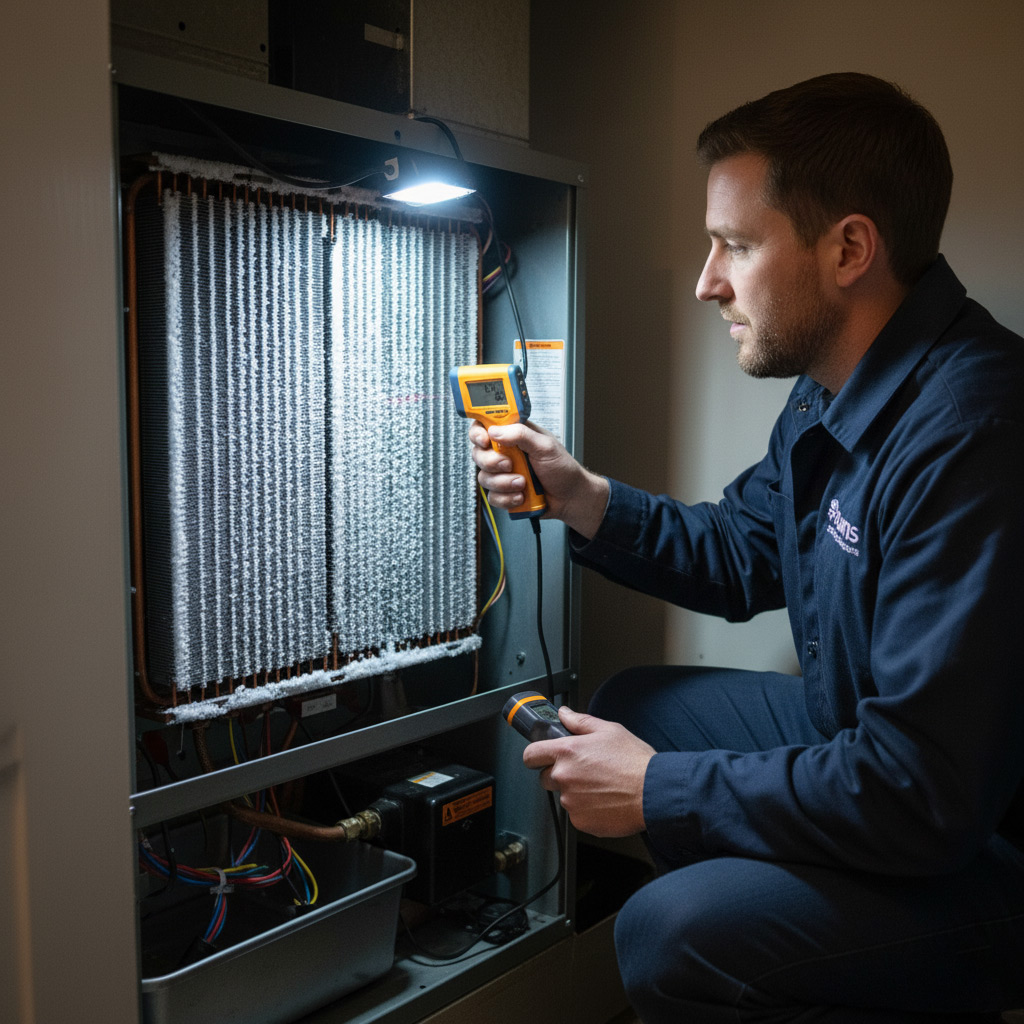
If you think a rattling furnace is just a nuisance you can ignore until spring, you’re about to learn why that “later” will cost you big time.
Homeowners in Denton often fall into the same traps: DIY fixes that turn a minor glitch into a full‑blown breakdown, or cheap parts that wear out faster than a summer heatwave. Those shortcuts don’t just waste time—they bleed cash.
Ready to stop the money‑leak and keep your heat humming all winter? Keep reading and discover the exact mistakes that are draining your wallet.
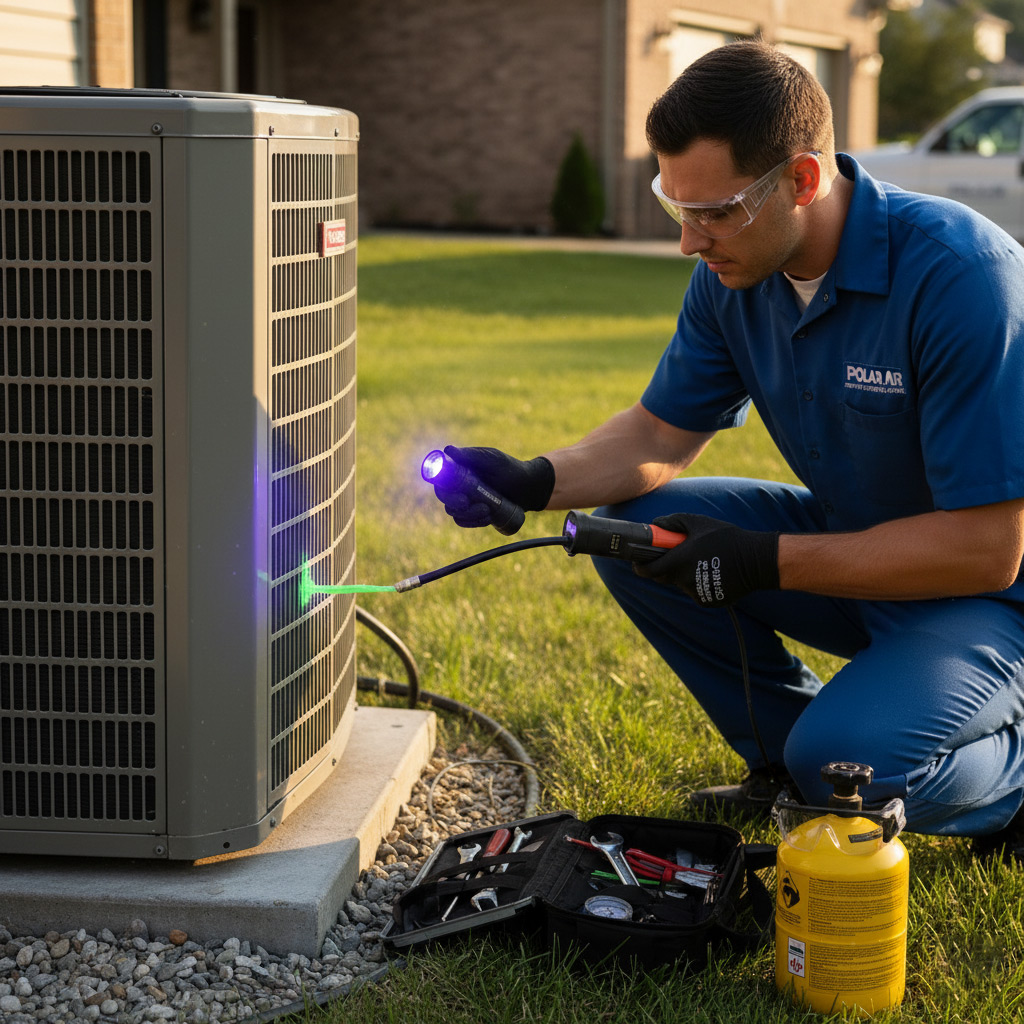
Common DIY Repair Mistakes That Damage Your Furnace
Most Denton homeowners think a quick screwdriver twist will solve a noisy furnace. Turning the power off incorrectly or pulling the gas valve without proper knowledge can create a cascade of problems. The result? A unit that refuses to start, and a repair bill that spikes faster than a Texas summer.
What Not to Tinker With
- Gas connections – Adjusting them without a certified technician is a recipe for leaks.
- Thermostat wiring – A single crossed wire can fry the control board.
- Burner assembly – Scrubbing it with a wire brush may remove the delicate coating.
Even a well‑intentioned cleaning can backfire. Using a vacuum on the blower motor can bend the fan blades, and a cheap lubricant can gum up the moving parts. When you skip the proper steps, you’re not saving money—you’re setting yourself up for a costly service call.
The Hidden Costs of Using Low‑Quality Replacement Parts
When you grab a cheap furnace motor from a discount bin, you’re not just saving a few bucks—you’re setting up a chain reaction that can drain your wallet faster than a broken thermostat. Low‑grade parts often lack the heat‑resistance and durability of OEM components, meaning they fail sooner and force you back into the repair shop.
Why “cheaper” isn’t always better
Cheap parts typically use inferior metals and plastics. Those materials expand and contract with temperature swings, causing:
- Premature wear on bearings and seals
- Increased friction that spikes energy consumption
- Corrosion that spreads to nearby components
Each of those issues translates into higher utility bills and more frequent service calls. In the long run, you’ll spend twice or three times what you saved on the part.
Hidden fees you’ll feel later
Replacing a low‑quality heat exchanger? Expect a hefty labor charge because the faulty part often damages surrounding ducts. And don’t forget the downtime cost—a cold home forces you to rent a space heater, adding another line item to your expense sheet.
Bottom line: investing in genuine, manufacturer‑approved parts may cost more upfront, but it protects you from surprise repair bills, higher energy use, and the hassle of repeated breakdowns.
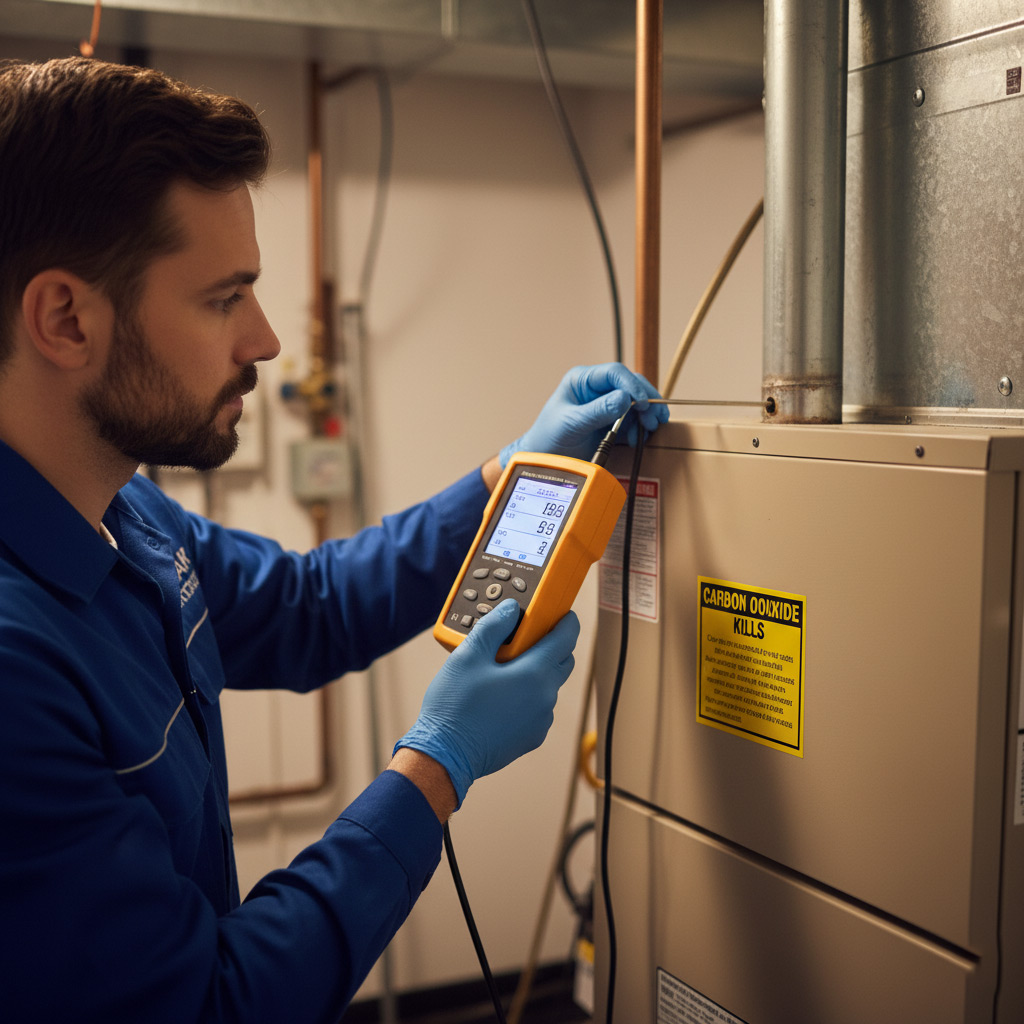
Ignoring Regular Maintenance: Why It Leads to Expensive Breakdowns
What Happens When You Skip the Seasonal Check‑Up?
Every furnace in Denton is built to run hard during the cold months, but it’s not a set‑it‑and‑forget‑it machine. Skipping the annual service means dust, rust, and wear collect in places you can’t see, turning a minor inefficiency into a costly failure.
Key symptoms of neglect show up early: uneven heat, strange noises, and a spike in your energy bill. Those clues are cheap warnings; ignore them and you’ll pay for a full‑blown replacement later.
Hidden Costs That Add Up Fast
When a neglected furnace finally quits, the repair bill often includes:
- Labor for emergency service (rates jump after hours).
- Replacement of multiple parts that could have been cleaned or lubricated.
- Potential damage to ductwork from overheating.
Each item stacks up, and the total can easily surpass $2,000—a price you could have avoided with a simple $150 maintenance visit.
Why a Routine Tune‑Up Saves Money
A professional inspection catches problems before they snowball. Technicians will:
- Check the heat exchanger for cracks that could cause dangerous carbon monoxide leaks.
- Test the thermostat calibration to keep your home comfortable without overworking the unit.
- Clean the blower motor and replace the filter, improving airflow and cutting energy use.
Think of it as a health check for your furnace. A quick, proactive visit keeps the system humming and your wallet intact.
Overlooking Proper Airflow and Filter Replacement
Why Airflow Matters
When the furnace can’t breathe, it works harder, and your energy bill spikes. Restricted airflow forces the heat exchanger to overheat, which can crack and lead to costly repairs. A quick visual check of the vents and registers can save you a weekend in the shop.
- Uneven room temperatures
- Furnace cycling on and off rapidly
- Unusual noises from the blower
Filter Replacement: The Low‑Cost Guard
Most Denton homeowners change their filter once a year—if at all. A dirty filter is the silent assassin of HVAC efficiency. Swap it out every 30‑90 days, depending on usage, pets, and local pollen levels, and you’ll keep the system humming.
- Check the filter’s color: white means clean, gray means clogged.
- Feel the airflow at a vent; a weak breeze signals a blocked filter.
- Use the correct size—don’t improvise with a makeshift piece.
Quick Airflow Checklist
Before you call a tech, run through this short list. Close doors to rooms you don’t heat, make sure no furniture blocks vents, and verify that the blower motor runs smoothly. If anything feels off, it’s time to replace the filter or call a pro before the furnace burns out.

When to Call a Professional: Signs You Can’t Fix Yourself
Even the most confident DIYer hits a wall when the furnace starts acting like a drama queen. If you notice any of the following, stop the “fix‑it‑yourself” show and dial a pro.
Red Flag #1: Unusual Odors
Smelling gas, burning plastic, or a sour, metallic whiff is a clear warning sign. Don’t gamble with safety—a gas leak can turn your home into a hazard zone in minutes.
Red Flag #2: Persistent Cycling
Your furnace turns on and off every few minutes, never staying on long enough to heat the house. This “short‑cycling” often means a faulty limit switch or a deeper airflow issue that needs a certified technician.
Red Flag #3: Strange Noises That Won’t Quit
Rattles, squeals, or a high‑pitched whine that persists after you tighten bolts is more than a nuisance. Those sounds usually point to a failing motor, cracked heat exchanger, or loose blower wheel—components that require specialized tools.
Red Flag #4: Error Codes & Blank Displays
Modern furnaces flash error codes or go completely dark on the control panel. Decoding those messages isn’t a hobby; it’s a job for someone who knows the manufacturer’s diagnostic language.
- Gas smell? Call immediately.
- Frequent shut‑offs? Get a pro to check the limit switch.
- Continuous weird noises? Schedule a motor inspection.
- Unclear error codes? Let a certified tech read the diagnostic.
Case Study: How a Denton Homeowner Saved $2,300 by Avoiding These Mistakes
Meet the homeowner
Mike, a longtime Denton resident, noticed his furnace sputtering in December. Instead of grabbing a cheap part from the big‑box store, he called a local HVAC pro for a quick diagnostic.
Within an hour, the technician identified a clogged blower motor and a worn‑out pressure switch—issues that could have been missed by a DIY fix.
The mistake‑free plan
Mike followed three simple steps that kept his wallet intact:
- Get a professional inspection before any part replacement.
- Insist on OEM components that match the furnace’s specifications.
- Schedule a maintenance tune‑up to catch wear early.
The bottom‑line savings
Because Mike avoided a $1,200 “quick‑fix” kit and a $500 emergency service call, he saved $1,700 right away. The proper maintenance prevented a second breakdown that would have cost another $600.
All told, Mike walked away $2,300 richer and with a furnace that ran smoother than ever—proof that a little foresight beats a lot of regret.
Final Words: Protect Your Heating System and Your Wallet
Think of your furnace like a car: you wouldn’t skip oil changes and expect it to run forever. The same principle applies to heating—regular check‑ups keep the system humming and your bank account breathing.
Quick habits that pay off
- Swap the filter every 1‑3 months depending on use.
- Schedule a professional tune‑up before the first frost.
- Keep the area around the furnace clear of debris.
When you treat your furnace with the same respect you give your driveway, you avoid surprise breakdowns that drain cash fast. A little preventive care now saves a lot of emergency calls later.
When you need a pro
If you notice any of these red flags, stop the DIY and call a certified tech:
- Strange odors or persistent rattling.
- Repeated short‑cycling after a simple fix.
- Any electrical smell or spark.
These signs mean the problem is deeper than a quick screw‑tighten. Trusting a professional prevents costly missteps and keeps your home warm all winter.
Ready to give your furnace the care it deserves? Explore more tips in our Heating System Repair guide and stay ahead of the next freeze.
People Also Ask
What are the most common DIY furnace repair mistakes?
Improperly tightening gas connections, neglecting to turn off power before work, and using the wrong tools can cause leaks or electrical damage. These errors often lead to costly professional repairs later.Why should I avoid low‑quality replacement parts for my heating system?
Cheap parts may not meet manufacturer specifications, resulting in reduced efficiency and premature failure. Replacing them with high‑grade components saves money on energy bills and future repairs.How does skipping regular furnace maintenance increase repair costs?
Without routine cleaning and inspection, dust buildup and worn components go unnoticed, causing strain on the system. This accelerates wear and can trigger major breakdowns that are expensive to fix.What problems arise from poor airflow and overdue filter changes?
Clogged filters restrict airflow, forcing the furnace to work harder and overheat. This can damage the heat exchanger and lead to higher energy consumption and repair fees.When is it time to call a professional instead of attempting a DIY fix?
If you notice gas odors, strange noises, frequent cycling, or error codes on the thermostat, it’s a sign of a serious issue. Contact a licensed HVAC technician to ensure safety and proper diagnosis.
Denton HVAC brings over 15 years of residential and commercial climate‑control expertise to the Denton community. Their certified technicians specialize in efficient heating, cooling, and indoor‑air‑quality solutions tailored to local needs. Committed to reliable service, they prioritize comfort and energy efficiency for homes and businesses throughout Denton, TX.
Need HVAC?
We provide fast HVAC repair, maintenance, and installation in Denton, TX (76201, 76202, 76204, 76205, 76207) and nearby communities, keeping your system running efficiently. Same‑day service restores comfort without delay.
Get HVAC Quote