
You think you’re saving money by patching that old furnace, but the truth will hit you harder than a Texas summer heatwave. Most Denton homeowners are blind to the hidden costs that creep up until the system finally quits.
What if I told you that the “cheap” replacement quote you got last week is actually a trap, and the real savings are buried in the details most contractors won’t mention? From sneaky warranty loopholes to energy‑guzzling units that look brand‑new, the facts are far from what the sales pitch suggests.
Stick around, and you’ll discover the exact questions to ask, the red flags to watch for, and the simple steps that can keep your wallet from blowing up when the next furnace blows out.

The Real Price Tag: Breaking Down All Costs of HVAC Replacement in Denton
When a Denton homeowner asks for a quote, the first number you see is usually the price of the unit itself. That’s only the tip of the iceberg. Labor, disposal of the old system, and local permits can add a few thousand dollars before you even think about the actual hardware.
What’s really in the line‑item?
- Equipment cost: brand, SEER rating, and size match for your square footage.
- Labor: hours spent tearing out the old furnace, installing new ductwork, and calibrating the thermostat.
- Permit fees: Denton’s building department charges a flat rate that most contractors roll into the total.
- Disposal & recycling: hauling away a 20‑year‑old furnace isn’t free.
Beyond the obvious, many homeowners forget about ancillary expenses that can bite back later. Upgrading an outdated duct system, adding a new refrigerant line, or installing a smart thermostat can each run $500‑$1,200. Ignoring these items now often means a surprise bill when the job is “complete.”
Sneaky Fees & Warranty Loopholes Contractors Often Overlook
Hidden Service Charges
Most Denton contractors will hand you a clean, low‑ball number, then slip in a “service call” or “disposal fee” once the work starts. Those line items can add $150‑$300 to your bill without you noticing.
Watch for these common add‑ons:
- Travel surcharge – often a flat $50 for “out‑of‑area” work, even if they’re just a few miles away.
- Permit padding – a vague “permit fee” that’s actually the contractor’s markup.
- After‑hours premium – a $75 charge for a job that started at 4 pm.
Warranty Fine Print
Manufacturers love a 10‑year parts warranty, but the installer’s labor warranty is where the trap hides. Many firms will say “labor covered for 2 years,” then add a clause that voids it if you ever call a different tech.
Key loopholes to flag:
- “Owner‑performed maintenance” – you must sign a logbook; miss one entry and the warranty evaporates.
- “Exclusive service provider” – only the installer can service the unit, or you pay a penalty.
- “Pro‑rated coverage” – after the first year, you only get 50% of labor costs back.
Ask the contractor to write every fee and warranty term on the quote. If they hesitate, you’ve just uncovered a red flag before the paperwork even lands on your desk.

Energy‑Efficiency Myths: Why a “High‑SEER” Unit Might Still Drain Your Wallet
The SEER Number Isn’t the Whole Story
Most salespeople will flash a 20‑SEER badge and expect you to nod like you’ve just won the lottery. SEER only measures cooling efficiency under ideal lab conditions, not how the unit behaves in a Denton attic on a 95‑degree day.
When you factor in real‑world variables, the savings can evaporate faster than a puddle in July. Consider these hidden gaps:
- Climate mismatch – High SEER units shine in mild zones, but Denton’s scorching summers demand more than a lofty rating.
- Improper ductwork – Even the best furnace can’t overcome leaky ducts that waste up to 30% of the output.
- Control strategy – A “smart” thermostat that’s never calibrated will ignore the SEER advantage entirely.
Installation & Sizing Matter More Than the Rating
A unit that’s too big will cycle on and off, slashing efficiency and raising wear‑and‑tear. Oversized equipment can cost you 15‑20% more in electricity than a properly sized, lower‑SEER model.
Conversely, a unit that’s too small will run nonstop, turning the “high‑efficiency” label into a money‑sucking vortex. The sweet spot is a system that matches your home’s square footage, insulation level, and typical occupancy.
Hidden Wallet Drainers
Don’t let the sticker price blind you to the long‑term expenses that creep in after the warranty expires.
- Maintenance contracts – Some “free” service plans hide annual fees that outpace the energy savings.
- Replacement parts – High‑SEER units often use proprietary components that cost a premium when they fail.
- Electric rates – If your utility charges peak‑hour demand fees, a high‑SEER unit running at full blast can trigger extra charges.
Must‑Ask Questions Before You Sign Any Replacement Quote
Before you hand over a check, you need a crystal‑clear picture of what you’re buying. Ask the hard stuff early, and you’ll avoid nasty surprises when the new furnace finally fires up.
The Core Questions
- What exact model am I getting, and why is it the best fit for my home’s size and layout?
- Can you break down the total cost: equipment, labor, permits, and any “extras”?
- What is the expected lifespan of this unit under normal Denton conditions?
These three questions force the contractor to be transparent. If they stumble, you’ve already spotted a red flag.
Warranty & Service Details
- Does the warranty cover parts, labor, or both, and for how long?
- Are there any maintenance requirements that could void the warranty?
- Who handles service calls—your installer or a third‑party, and what’s the response time?
Knowing the fine print saves you from paying for a “free” repair that turns into a bill.
Installation & Performance Guarantees
- Will you perform a Manual J load calculation before installation?
- Do you guarantee the unit will meet the SEER rating advertised?
- What’s the protocol if the system underperforms during the first 90 days?
When a contractor can answer these without hesitation, you’re looking at a partner, not a salesperson.
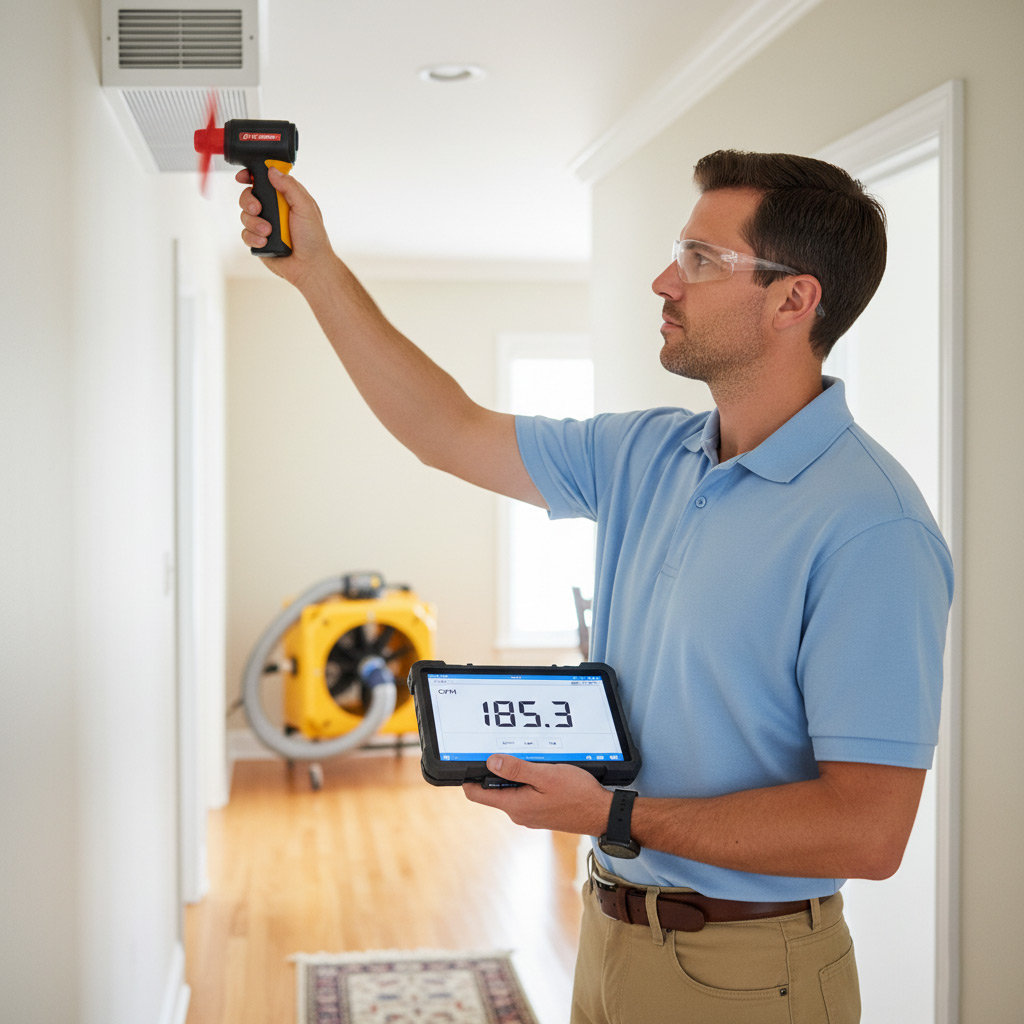
Red Flags: Spotting Low‑Quality Units and Shoddy Installations
When a dealer slides a unit across the showroom floor, the price tag isn’t the only thing to watch. Cheap materials and shortcuts hide in the specs, and they’ll bite you the moment the thermostat hits 90°F. Look for a brand that offers a clear, verifiable serial number and a warranty that actually covers parts, not just labor.
What a low‑quality unit looks like
- Generic branding – no recognizable name, vague model numbers.
- SEER rating that seems “too good to be true” – often a typo or a mis‑print.
- Plastic‑heavy components – the coil, fan blades, and housing feel flimsy.
- No ENERGY STAR label – reputable manufacturers proudly display it.
Even if the price dazzles, a unit that fails any of those checks is a money‑sink. A cheap coil will corrode faster, forcing a premature replacement that wipes out any upfront savings.
Installation red flags
- Contractor refuses to show the installation checklist before starting.
- Loose ductwork or visible gaps – air will leak, and your bill will climb.
- Improper refrigerant charge – the system runs hot, shortens lifespan.
- No post‑install test results – you should see temperature differentials and airflow numbers.
Ask for a photo of the completed work and a copy of the test report. If the installer can’t produce them, walk away. A shoddy install costs you more in energy waste and future repairs than a premium unit ever will.
Case Study: How a Denton Homeowner Cut Replacement Costs by 30% with the Right Strategy
Background
Mike, a longtime Denton resident, got a $7,200 quote for a brand‑new furnace and air‑handler. The sales rep threw in a “premium” warranty that sounded solid but added $1,100 to the bill.
When Mike dug into the numbers, he found three hidden culprits:
- Oversized unit – 5 tons for a 1,800‑sq‑ft house.
- Unnecessary “smart‑control” package – $450 for a feature he never uses.
- Installation markup – 15% extra for a contractor who didn’t disclose labor rates.
The Strategy
Mike didn’t settle. He asked three contractors for a “load‑calc” and got two independent reports that matched his old system’s size. He then:
- Requested a same‑model unit with a lower SEER rating that still met local code.
- Negotiated the warranty down to a 5‑year labor guarantee – saving $800.
- Insisted on a transparent labor quote, forcing the installer to drop the markup to 8%.
The result? A $5,000 total price tag – a clean 30% reduction without sacrificing comfort.
Result
Mike’s new system runs cooler, costs less to run, and the warranty is crystal clear. He also got a free maintenance visit worth $150 because the contractor wanted the job back.
Bottom line: Ask for a proper load calculation, compare warranties side‑by‑side, and demand a line‑item labor breakdown. That’s how you turn a “cheap” quote into real savings.
Final Words
Don’t let a slick sales pitch dictate your budget. Ask the hard questions, read the fine print, and walk away if something feels off. The right replacement isn’t about the lowest price tag; it’s about long‑term performance and peace of mind.
Next Steps to Lock In Real Savings
- Get at least three written quotes and compare line‑item costs.
- Verify the contractor’s license and read recent reviews on HVAC Replacement.
- Ask for a copy of the warranty and note any exclusions that could bite you later.
- Insist on a post‑install performance test and a written maintenance schedule.
When you’ve checked those boxes, you’ll walk into the next season with confidence. Remember, a smart homeowner knows that the cheapest upfront price often hides the biggest bill down the road.
People Also Ask
How much does an HVAC replacement typically cost in Denton, TX?
The average price ranges from $4,500 to $9,000, depending on system size, brand, and installation complexity. Labor rates in Denton are usually $80‑$120 per hour, which can add several hundred dollars to the total.What hidden fees should I watch out for when getting an HVAC quote?
Look for extra charges such as disposal fees, duct sealing, permit costs, and “rush” installation premiums. Some contractors also add markup on parts like thermostats or air filters without disclosing it upfront.Does a higher SEER rating always mean lower energy bills?
A higher SEER rating indicates better efficiency, but savings depend on proper sizing, installation quality, and your home’s insulation. Oversized high‑SEER units can actually increase wear and utility costs.What questions should I ask a contractor before signing an HVAC replacement contract?
Ask about the exact scope of work, warranty coverage on both equipment and labor, and whether the quote includes all permits and disposal fees. Also confirm the contractor’s licensing, insurance, and references from recent Denton installations.How can I tell if an HVAC unit is low quality or installed poorly?
Low‑quality units often lack reputable brand names, have minimal warranty periods, or use cheaper components like plastic coils. Poor installations show signs such as uneven airflow, excessive noise, or improper refrigerant charge, which can be verified during a post‑install inspection.
Denton HVAC brings over 15 years of residential and commercial climate‑control expertise to the Denton community. Their certified technicians specialize in efficient heating, cooling, and indoor‑air‑quality solutions tailored to local needs. Committed to reliable service, they prioritize prompt response and personalized care for every client.
Need HVAC?
We provide fast HVAC repair, maintenance, and installation in Denton, TX (76201, 76202, 76204, 76205, 76207) and nearby communities, keeping your system running efficiently. Same‑day service restores comfort without delay.
Get HVAC Quote