
Imagine this: the Texas heat is already climbing, and your furnace sputters out like a dying firecracker. You’re left sweating, staring at a silent thermostat, and wondering if you’ll have to spend a night in a hotel.
In Denton, the pool of HVAC repair guys is deep, but not every name on the list is worth your hard‑earned dollars. Some will patch the problem and disappear; others will turn a quick fix into a recurring nightmare.
What if you could separate the pros from the pretenders with a simple checklist that saves you time, money, and headaches? Keep reading and you’ll discover the exact steps to lock in a trustworthy, fast‑acting repair crew that gets the job done right the first time.
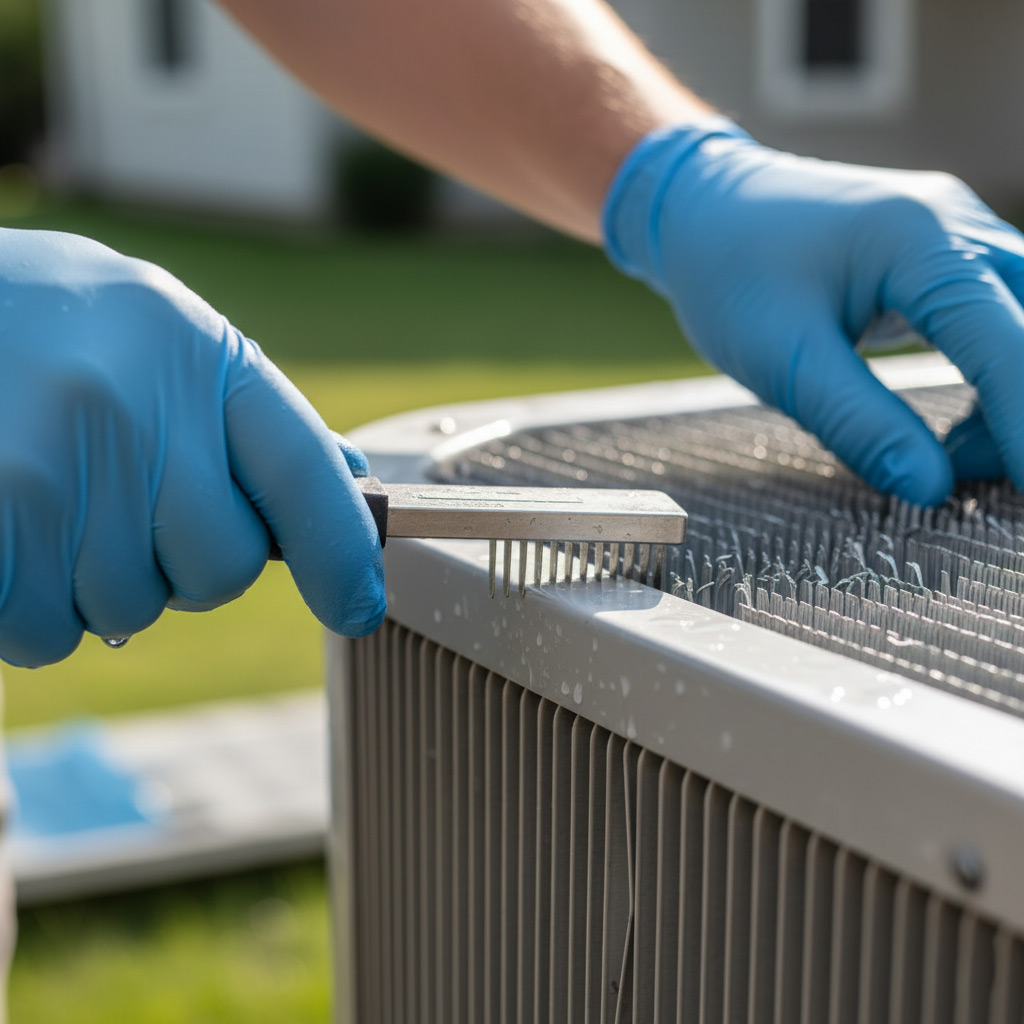
Assessing Your Specific HVAC Issue and Determining When Repair Is Needed
Listen to the Symptoms
Before you pick up the phone, tune into what your system is actually telling you. A furnace that rattles, a AC that hums but never cools—those are clues, not just annoyances. Identify the pattern early and you’ll avoid a costly “oops” later.
- Strange noises: clanking, squealing, or clicking.
- Inconsistent temperatures across rooms.
- Frequent cycling on and off.
Repair or Replace? The Quick Decision Matrix
Not every glitch means a full‑blown replacement, but some do. Ask yourself: Is the unit older than 10‑12 years? Does the repair bill approach 50% of a new system? If the answer is “yes,” start shopping for a replacement.
- Minor issue (e.g., a blown fuse) → repair.
- Major component failure (compressor, heat exchanger) → consider replace.
- Energy bills spiking → replacement may save money.
Age, Efficiency, and Cost
Even a perfectly working unit can be a money‑sucker if it’s ancient. Check the serial tag; the first two digits usually reveal the manufacture year. Newer models run cooler, use less power, and qualify for rebates.
- Age > 12 years → think replacement.
- SEER rating below 13 → upgrade.
- Repair estimate > $1,200 → weigh options.
Red Flags: Spotting Unreliable Technicians and Common Scams in Denton
When a stranger in a uniform shows up at your door, the first thing to watch is the price pitch. If they start with a sky‑high estimate before even looking at the unit, that’s a warning sign. A reputable tech will do a quick diagnosis, explain the problem, and then give you a written quote.
Typical Scam Tactics
- “Free inspection” that turns into a mandatory repair.
- Charging for “emergency service” on a weekday afternoon.
- Using vague terms like “system overhaul” without specifying parts.
- Insisting on cash‑only payment to avoid a paper trail.
Another red flag is the lack of a proper ID badge or company logo. A legitimate contractor will proudly display a license number and insurance card. If they’re hesitant to show credentials, walk away – you’ll thank yourself later.
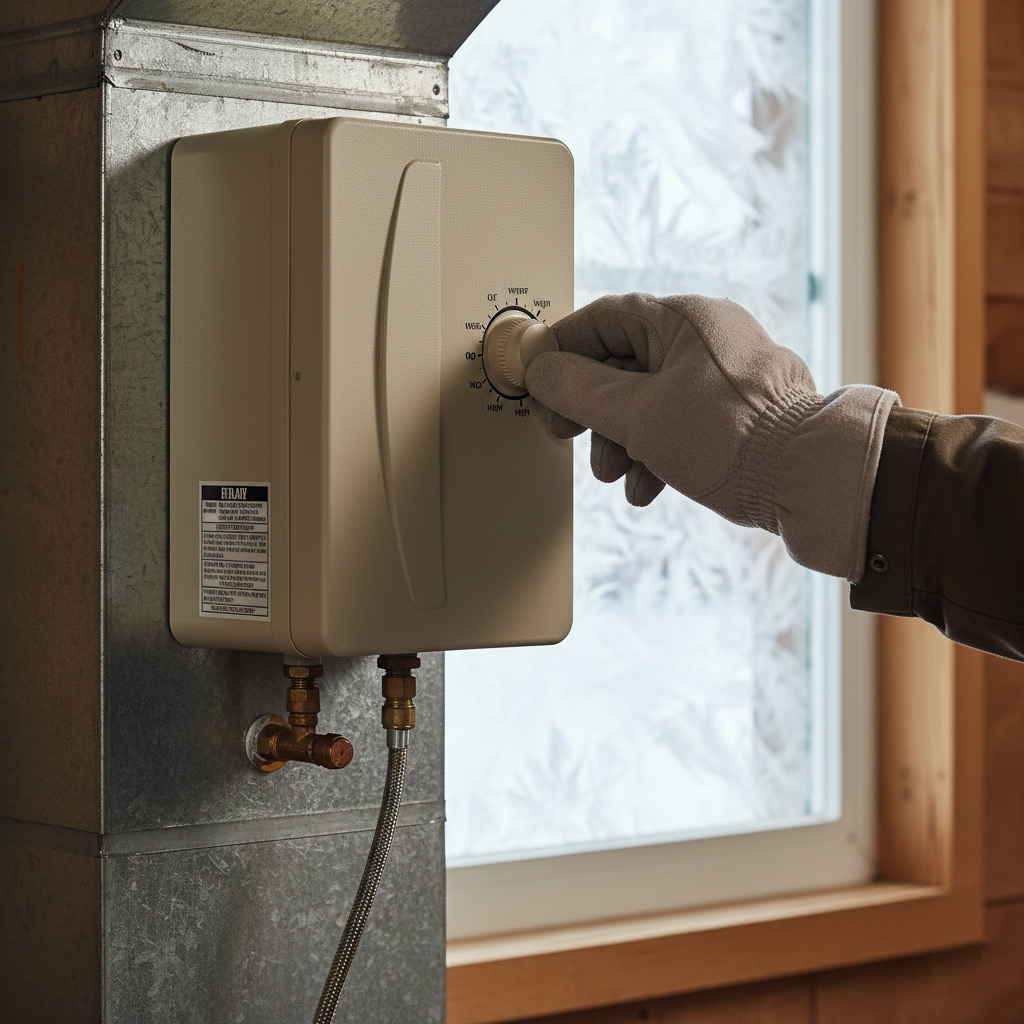
Verifying Credentials: Licensing, Insurance, and Certifications Checklist
Why Licensing Matters
In Texas, a valid HVAC license isn’t a nice‑to‑have—it’s the law. Without it, a contractor can’t legally pull a permit or perform work on your system. Ask for the license number, then double‑check it on the Texas Department of Licensing website.
- State HVAC license (e.g., C‑2, C‑3)
- Local business registration
- Permit‑pulling authority
Insurance and Certifications – Your Safety Net
Even the best tech can slip up. Proof of liability insurance protects your home from accidental damage. A reputable company will also carry workers’ comp, so you’re not on the hook if someone gets hurt on your property.
- General liability coverage (minimum $1M)
- Workers’ compensation
- Manufacturer certifications (e.g., NATE, Carrier, Trane)
Quick Credential Checklist
Before you sign a contract, run this short list. It takes less than a minute, but it saves you weeks of trouble.
- License number verified on state site
- Current insurance certificate (ask for expiration date)
- Relevant certifications displayed on the tech’s badge
- Proof of background check (optional but nice)
Comparing Quotes: How to Get Transparent Estimates and Avoid Hidden Fees
First thing’s first—don’t settle for a single number. A solid estimate looks like a roadmap, not a mystery. It tells you exactly what you’re paying for and why.
Ask for an itemized breakdown
When a tech shows up with a sheet of paper, make sure it reads like a grocery list, not a cryptic code. You want to see each part, each hour of labor, and every extra charge laid out in plain English.
- Parts cost – brand, model, and warranty period.
- Labor rate – hourly fee and estimated hours.
- Travel or service call fee – flat rate or mileage charge.
Seeing these three lines side by side lets you spot the outliers before they become a surprise on your credit card.
Watch for hidden fees
Scammers love to slip in “miscellaneous” line items that look harmless. Ask them to define each one, and watch for vague language like “admin fee” or “equipment surcharge.”
- Disposal of old units – is it included or tacked on later?
- After‑hours service – does a night call cost double?
- Warranty extensions – are they optional or mandatory?
If the answer is “it depends,” you’ve found a red flag. A reputable crew will say “no” or give you a clear, upfront price.
Get it in writing and lock it down
Never rely on a verbal promise. A written estimate protects you and gives the contractor a clear scope of work. It also makes it easier to compare apples‑to‑apples when you have three quotes on the table.
Look for these signatures:
- Company name and contact info
- Date of estimate
- Expiration date – most quotes are good for 30 days.
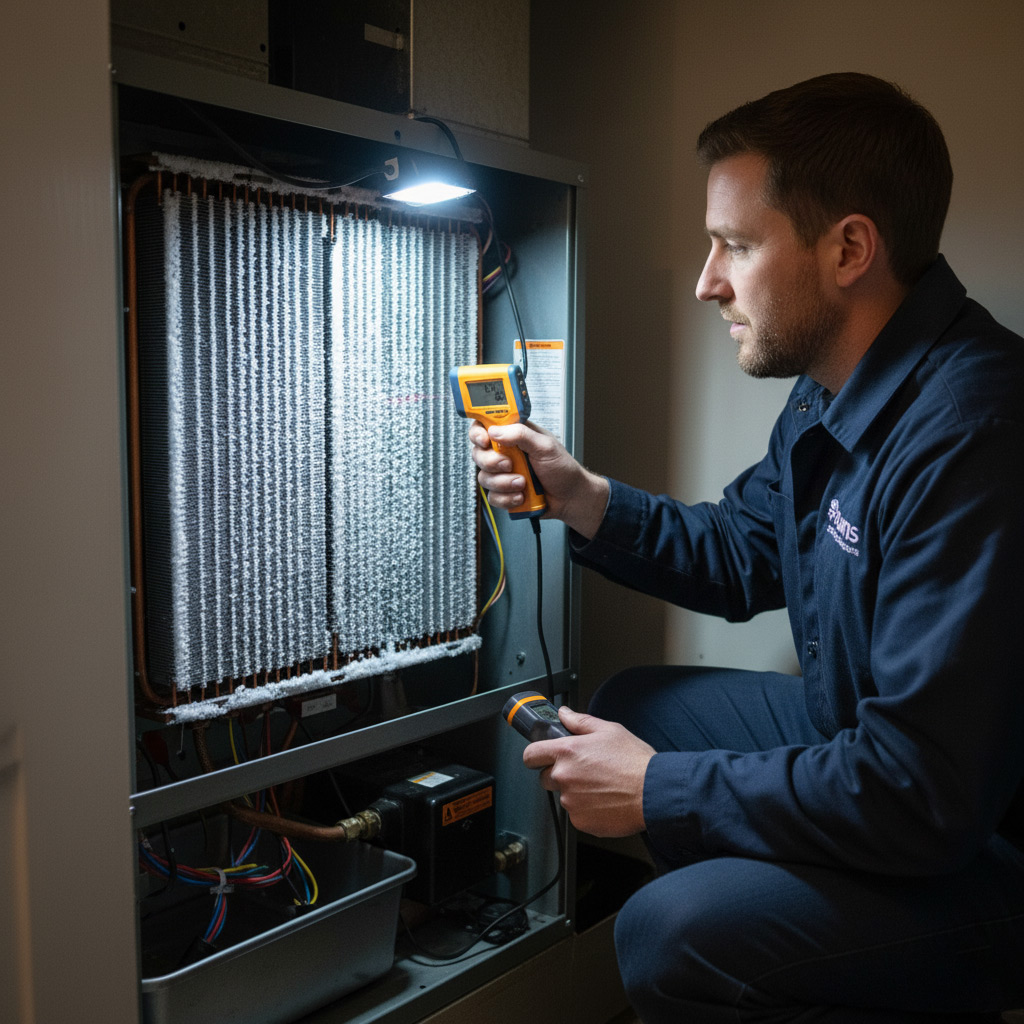
Evaluating Service Speed, Warranty Coverage, and After‑Repair Support
Speed Matters
When the Texas heat spikes, a sluggish repair crew can turn a mild inconvenience into a full‑blown crisis. Ask the company how quickly they can dispatch a technician and whether they offer same‑day service for emergencies.
Key speed indicators to verify:
- Response time – typical window from call to arrival.
- Parts inventory – on‑site stock reduces wait for replacements.
- Emergency hotline – 24/7 line that bypasses the regular queue.
Warranty Coverage
A solid warranty is the safety net that tells you the job isn’t a “quick fix.” Look for a written guarantee that covers both parts and labor, and note the duration – 12 months is common, but the best firms push 24‑month or longer.
Don’t forget to ask:
- Is the warranty transferable if you sell the house?
- What exclusions apply (e.g., misuse, lack of maintenance)?
- Who handles warranty claims – the original tech or a third‑party?
After‑Repair Support
Even after the unit hums back to life, you deserve a follow‑up. Reputable contractors schedule a post‑service call to confirm everything runs smooth and to answer lingering questions.
Extra support perks to look for:
- Free system check within 30 days of repair.
- Discounted maintenance plans that keep the unit efficient year‑round.
- Dedicated customer liaison for any future issues.
Case Study: Rapid Turnaround – How a Local HVAC Team Fixed a Family’s System in 24 Hours
The Call That Started It All
At 7 p.m., the Martinez family discovered their furnace sputtering and the house dropping to 55 °F. They dialed RapidHeat Denton, a company known for same‑day service. Within 30 minutes, a certified tech was on the way, toolbox in hand.
Diagnosis, Parts, and the 24‑Hour Sprint
The technician arrived at 8 p.m., ran a quick visual check, then used a handheld scanner to pinpoint a failed ignitor coil. He explained the fix in plain language, then ordered the part from a local distributor that stocked it for next‑day delivery.
- Step 1: Shut down the system safely.
- Step 2: Replace the ignitor coil.
- Step 3: Test the flame sensor and airflow.
- Step 4: Verify thermostat communication.
By 10 a.m. the next morning, the new coil was installed, the system calibrated, and a full performance test completed. The furnace roared back to life, delivering steady 72 °F throughout the house.
After‑Repair Support That Sealed the Deal
RapidHeat didn’t just walk away. They left a printed maintenance checklist and scheduled a complimentary follow‑up visit for the following week. The Martinez family reported a noticeable drop in their energy bill within two weeks, and they’ve since become repeat customers.
Final Words
Don’t wait for the next heat wave to catch you off guard. A solid maintenance plan, paired with a trusted repair crew, turns a potential disaster into a routine check‑up. Schedule a service visit before the season peaks and you’ll keep your system humming while your wallet stays intact.
Quick Action Checklist
- Verify the tech’s license and insurance before they step under your roof.
- Ask for a written estimate that breaks down labor, parts, and any possible fees.
- Confirm warranty terms and ask how post‑repair support works.
- Read reviews from real Denton homeowners – the ones who actually live with the tech.
When you’ve crossed those boxes, you’ve done the heavy lifting. The rest is simple: give the chosen team a call, set a date, and let them handle the rest. Need more guidance? Check out our HVAC Repair page for tools, tips, and trusted local partners ready to jump in.
People Also Ask
What signs indicate my HVAC system needs repair instead of routine maintenance?
If you notice uneven temperatures, strange noises, frequent cycling, or a sudden increase in energy bills, it’s likely time for a repair. These symptoms suggest underlying issues that routine maintenance won’t resolve.How can I verify that an HVAC technician in Denton is trustworthy?
Check for a valid Texas HVAC license, proof of insurance, and certifications such as NATE or ACCA. Additionally, read online reviews and ask for references from recent customers.What should I look for in a transparent HVAC repair estimate?
A clear estimate breaks down labor, parts, and any additional fees, and it should include a warranty statement. Avoid contractors who provide vague totals or add “service call” fees after the job is completed.Why is warranty coverage important when choosing an HVAC repair service?
A solid warranty protects you from unexpected costs if the same issue recurs within a set period. It also reflects the contractor’s confidence in their workmanship and the quality of parts used.How quickly should a reputable Denton HVAC company respond to an emergency repair request?
Most reliable firms aim to schedule emergency service within 24 hours, with some offering same‑day appointments for critical failures. Prompt response minimizes damage and restores comfort faster.
Denton HVAC brings over 15 years of residential and commercial climate‑control expertise to the Denton community. Their team of certified technicians delivers reliable heating and cooling solutions tailored to local needs. Committed to energy efficiency and responsive service, they keep homes and businesses comfortable year‑round.
Need HVAC?
We provide fast HVAC repair, maintenance, and installation in Denton, TX (76201, 76202, 76204, 76205, 76207) and nearby communities, keeping your system running efficiently. Same‑day service restores comfort without delay.
Get HVAC Quote