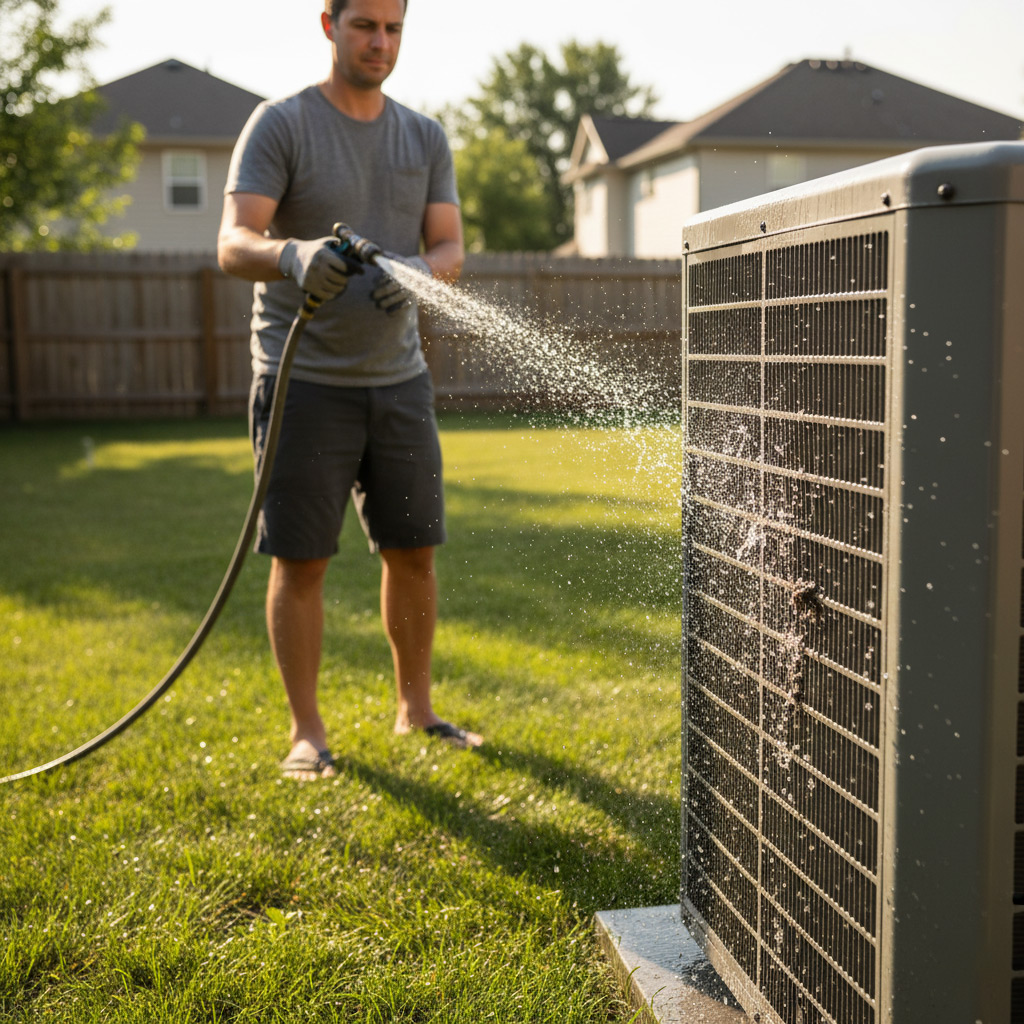
Picture this: you flip the switch and the whole house sighs into a steady, comfortable whisper of air—no hot spots, no cold drafts, just the exact temperature you want, right when you need it.
In Denton, where the Texas heat can turn a simple afternoon into a furnace and the winter can sneak up with a chill you didn’t see coming, a well‑planned HVAC system isn’t a luxury; it’s the backbone of a livable home.
We’ve broken down the whole process into bite‑size steps, from sizing the unit to placing the ducts, so you can skip the guesswork and get the system that works for you. Ready to see how it all fits together?
Assessing Your Home’s Load Requirements
Why Load Matters
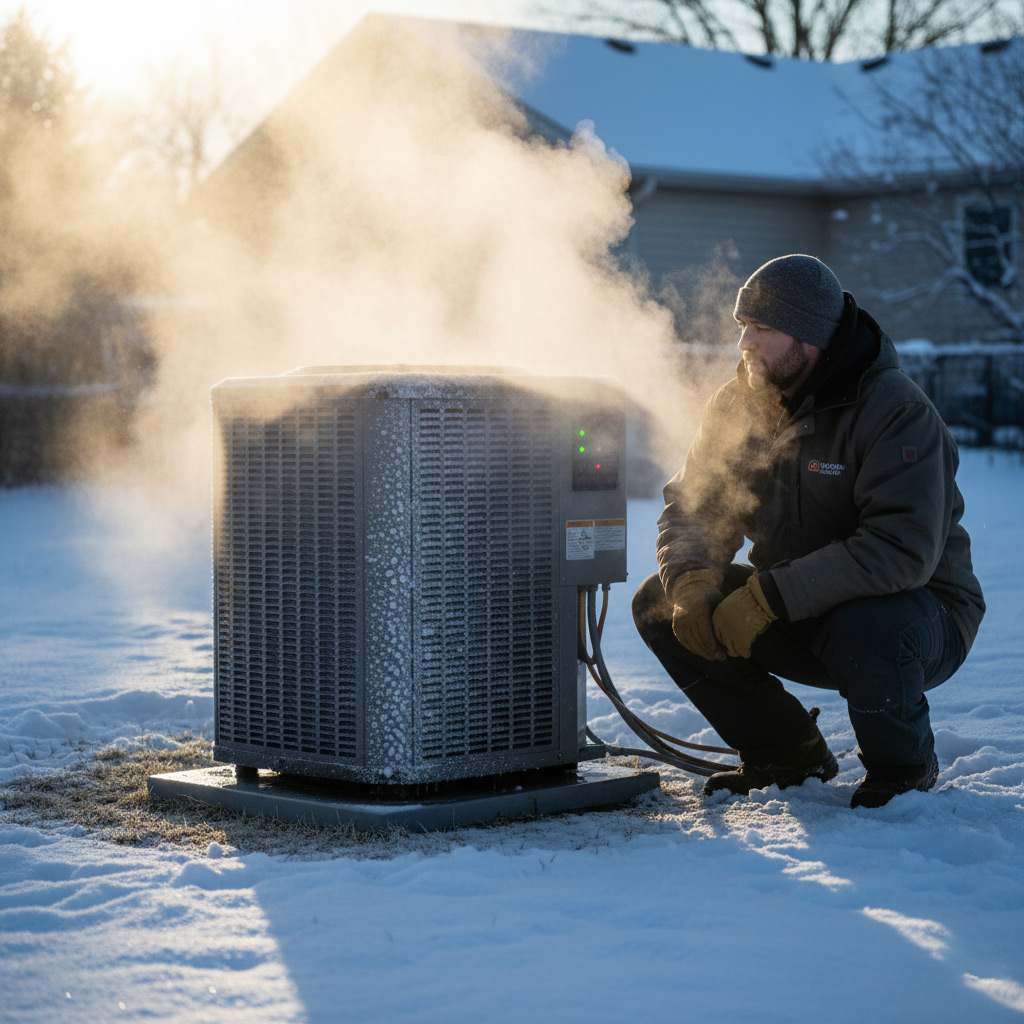
Before you even think about picking a furnace or a heat pump, you need to know how much heating and cooling your house actually demands. Oversized gear wastes money, while an undersized unit leaves you shivering in summer and sweating in winter.
Key Factors to Measure
Grab a tape measure, a notebook, and start tallying the variables that drive load:
- Square footage – bigger rooms need more power.
- Insulation quality – thin walls let heat slip out faster than a leaky faucet.
- Window orientation and glazing – south‑facing panes act like solar panels.
- Number of occupants – bodies generate heat, too.
- Major appliances – ovens, dryers, and even a big TV add to the load.
Getting a Real‑World Snapshot
Walk through each room, note the ceiling height, and jot down any drafts you feel. Those little breezes are clues that your ductwork might need a tweak before you even size the unit. A quick hand‑held infrared thermometer can reveal hot spots that the naked eye misses.
Selecting the Ideal HVAC System Type for Denton’s Climate
In Denton you need a system that can handle scorching summers and surprise chills in winter. That means you can’t just pick the cheapest unit off the shelf; you need a solution that thrives in a swing‑state climate.
Heat pumps vs. traditional split systems
Heat pumps have come a long way. Modern inverter models pull heat from the outside air even when it’s 20°F, then flip to cooling when the mercury climbs. They give you one‑piece comfort and lower utility bills.
Traditional split‑system air conditioners paired with a gas furnace still win on raw heating power. If your home has a large attic or poor insulation, a furnace can push heat faster than a heat pump.
- Heat pump: 2‑in‑1, lower electricity use, qualifies for rebates.
- Gas furnace + AC: Strong heat output, reliable in extreme cold.
- Hybrid (dual‑fuel): Switches automatically based on outdoor temperature.
What’s right for you?
Ask yourself three quick questions: Do you have a tight budget? Is your home well‑sealed? Do you want a single unit that does it all?
If you answered “yes” to the first two, a high‑efficiency heat pump is probably the sweet spot. If you need max heat on demand and your budget can stretch, a dual‑fuel system gives you the best of both worlds.
Accurate Sizing: Performing Manual J & Manual D Calculations
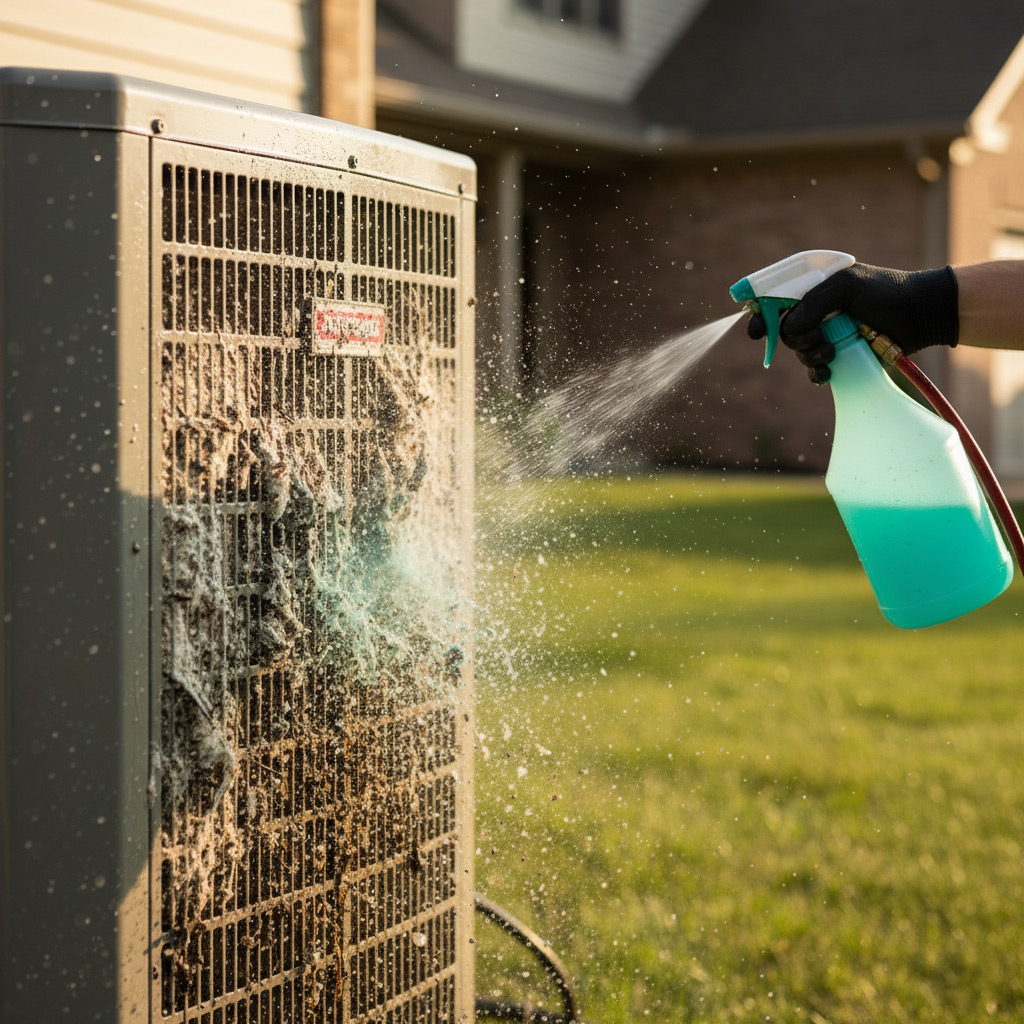
Getting the right size on your HVAC gear is the difference between sweating in July and shivering in January. One‑size‑fits‑none is a myth; the math decides if your system will actually work.
Manual J – Load Calculation
First, you tally the heating and cooling load for every room. It’s not guesswork; it’s a step‑by‑step audit of square footage, window orientation, insulation, and how many people live under the roof.
- Measure each room’s dimensions.
- Note window size, type, and shading.
- Account for doors, skylights, and local climate data.
- Plug the numbers into a Manual J calculator or let a certified tech run the script.
When the numbers are in, you’ll see the exact BTU demand. That figure tells you the exact capacity your furnace or AC must hit.
Manual D – Duct Design
Now that you know the load, you design the airway that will deliver it. Manual D maps airflow, pressure loss, and duct length to keep the system humming.
- Start with the main trunk size based on total airflow.
- Branch out, reducing duct diameter as you go.
- Calculate friction loss for each segment.
- Adjust for elbows, fittings, and filters.
Follow the chart, and the air will move evenly, no hot spots, no dead zones. Proper duct sizing saves energy and protects your equipment.
Designing an Efficient Ductwork Layout
Good ductwork is the hidden hero that turns a big HVAC unit into a comfortable home. If the air has to fight its way through twists and dead‑ends, you’ll feel the bill climb faster than a Texas summer heat wave.
Why Placement Beats Size
Even a perfectly sized furnace can sputter if the ducts are a maze. Keep runs short, keep turns gentle, and let the air flow like a river, not a clogged drain.
- Straight runs preserve pressure.
- Gentle elbows (no sharper than 45°) cut turbulence.
- Balance supply and return – each room needs a clear path out.
Tips for a Tight Layout
Start with a central plenum and radiate outward. This gives every branch a similar length, so no room gets a cold shoulder.
Seal every joint with mastic or UL‑listed tape. A single leak can waste the energy of an entire season.
Consider insulated ducts in the attic or crawl space. The Texas sun loves to heat anything it touches, and you don’t want that heat sneaking back into your living room.
Choosing Energy‑Efficient Components and Smart Controls
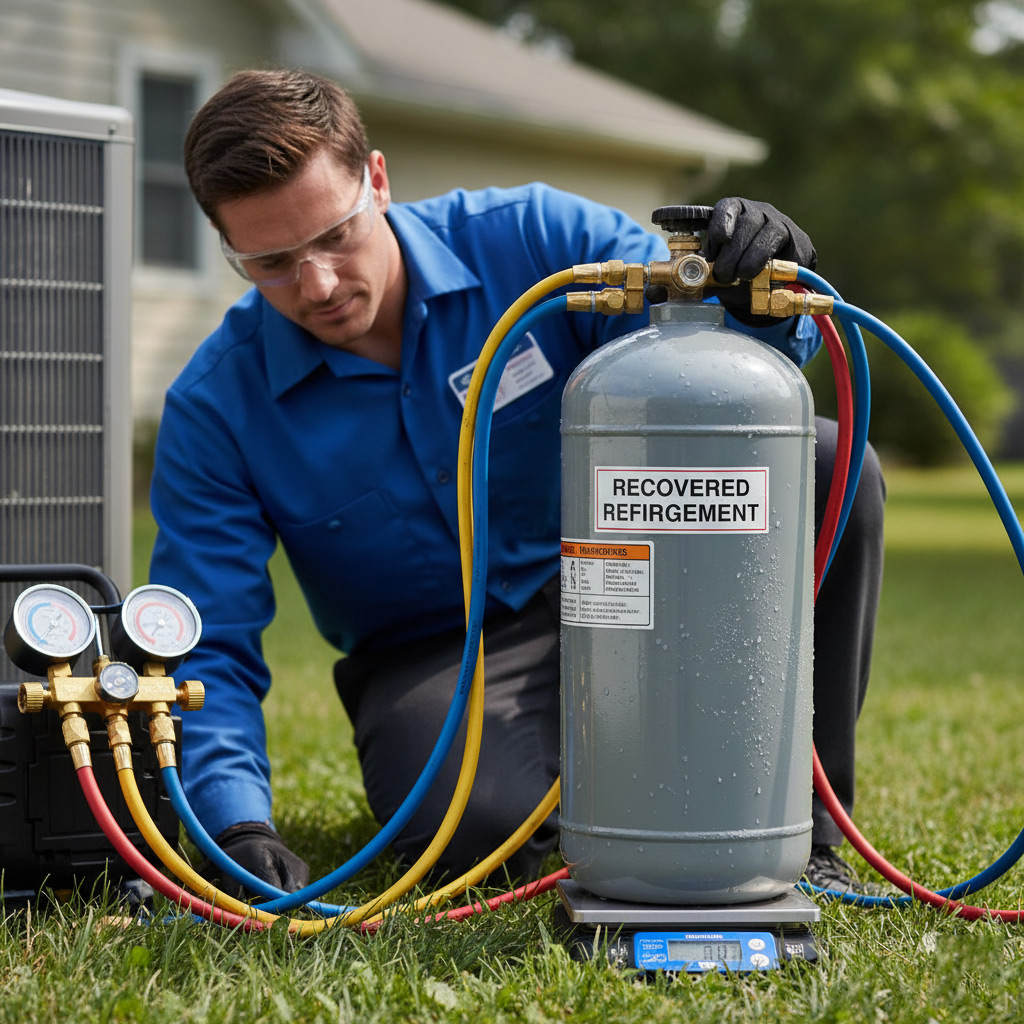
When you pick a unit with a high SEER rating, you’re not just buying a cooler summer—you’re cutting the bill on every run. Variable‑speed compressors keep the temperature steady without the constant on/off cycle that burns fuel. The result? Less wear on the system and a quieter house.
Smart Thermostats and Zoning
Modern thermostats talk to your phone, learn your schedule, and adjust on the fly. Pair them with zoning dampers, and each room gets the exact airflow it needs. No more fighting over the thermostat—the system does the work for you.
Top Picks for Denton Homes
- Rooftop units with variable‑speed fans – perfect for tight spaces.
- Wi‑Fi enabled thermostats (Ecobee, Nest) – remote control and energy reports.
- Motorized zone dampers – keep upstairs cool while the basement stays cozy.
- High‑efficiency air filters (MERV 13) – improve indoor air without choking airflow.
Case Study: Custom HVAC Design for a Historic Denton Residence
Background
The 1905 Craftsman bungalow sits on a tree‑lined lot in downtown Denton. Original plaster walls, crown molding, and a wrap‑around porch give it charm, but also hide a maze of insulation gaps and leaky windows.
Homeowner Maria wanted modern comfort without ripping out the period details. The challenge? Slip a high‑performance system into a house that wasn’t built for today’s equipment.
- Load quirks: Sun‑baked attic, cold‑drafty basement.
- Space limits: No room for a bulky furnace in the closet.
- Preserve historic façade while adding vents.
Design Solution
We started with a precise Manual J calculation, revealing a modest 22,000 BTU heating load—much lower than the homeowner expected. A compact, variable‑speed heat pump paired with a slim‑line air handler fit neatly behind the original pantry door.
Ductwork was routed through existing chases, keeping the crown molding untouched. Where new ducts were unavoidable, we used low‑profile, insulated flex ducts that sit flush against the ceiling.
- Smart thermostat: Alexa‑compatible, learns Maria’s schedule.
- Energy‑star furnace: Only kicks in when outside temps dip below 30°F.
- Custom grille covers painted to match the original woodwork.
Results
Within weeks, Maria reported even temperatures on every floor—no more “hot spot” by the kitchen window. Energy bills dropped 18% compared to her old single‑stage system.
Best part? The historic look stayed intact, and the new system runs so quietly you forget it’s there. A win for comfort, savings, and Denton heritage.
Final Words
Now that you’ve walked through the whole design process, it’s time to put the plan into motion. The difference between a guess‑and‑hope install and a data‑driven build shows up in your utility bill and comfort level.
What to Do Next
- Grab a copy of your Manual J and Manual D reports.
- Schedule a walkthrough with a certified Denton HVAC contractor.
- Ask for a detailed duct layout and a list of ENERGY STAR‑rated components.
Don’t settle for the first quote that lands in your inbox. A well‑designed system pays for itself in lower energy costs and fewer service calls. Ask questions. Verify that the contractor uses the exact calculations you’ve reviewed.
Ready to see the whole process in action? Check out more guides in our HVAC System Design section and keep the momentum going.
People Also Ask
What factors determine the heating and cooling load for a Denton home?
Key factors include square footage, ceiling height, insulation levels, window orientation, and local climate data. Occupancy patterns and appliance heat gain also influence the load calculation.
Why is a Manual J calculation essential before selecting an HVAC system?
Manual J provides an accurate load assessment, preventing oversizing or undersizing that can cause inefficiency and discomfort. It ensures the system matches the home’s specific heating and cooling demands.
How does Manual D differ from Manual J in HVAC design?
Manual D uses the load results from Manual J to design ductwork that delivers the correct airflow to each room. Proper duct sizing reduces pressure loss and improves system performance.
What are the benefits of integrating smart thermostats into a Denton HVAC system?
Smart thermostats optimize temperature settings based on occupancy and weather, reducing energy consumption. They also provide remote control and detailed usage reports for better maintenance.
Can historic Denton homes be retrofitted with modern, energy‑efficient HVAC systems?
Yes, by carefully assessing structural constraints and selecting low‑profile, high‑efficiency equipment, historic homes can achieve modern comfort without compromising architectural integrity. Custom duct designs and discreet placement of components are key.

Denton HVAC brings over 15 years of residential and commercial climate‑control expertise to the Denton community. Their team of certified technicians delivers reliable heating and cooling solutions tailored to local needs. Committed to energy efficiency and responsive service, they keep homes and businesses comfortable year‑round.
Need HVAC?
We provide fast HVAC repair, maintenance, and installation in Denton, TX (76201, 76202, 76204, 76205, 76207) and nearby communities, keeping your system running efficiently. Same‑day service restores comfort without delay.
Get HVAC Quote