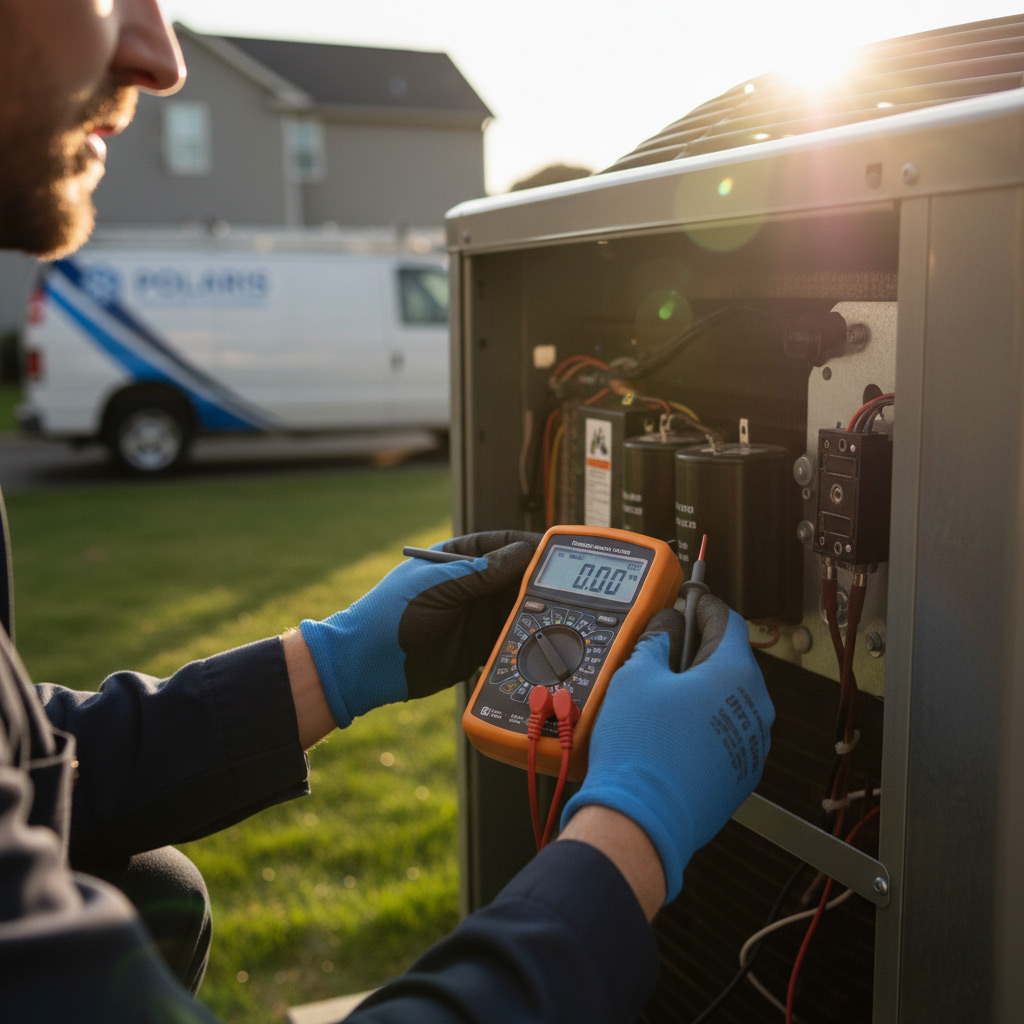
Picture this: it’s a scorching July afternoon in Denton, and your AC decides to take a nap just as the thermostat hits the red zone. That sudden silence isn’t just annoying—it can turn a comfortable home into a sweaty nightmare in minutes.
In a town where the weather flips from blistering heat to bone‑chilling winter, a well‑tuned HVAC system is the difference between peace of mind and a costly repair bill. Skipping the basics isn’t an option when you’ve got a family that depends on reliable climate control.
That’s why we’ve boiled down every must‑do task into a single, no‑nonsense checklist. From filter swaps to coil clean‑ups, each step is designed to keep your system humming and your wallet happy.
Ready to lock in comfort all year long? Dive in and discover the exact actions you need to take, right now.

Seasonal HVAC Inspection Schedule for Denton Residents
In Denton’s swing‑y climate, timing is everything. A well‑timed check‑up catches wear before it turns into a costly emergency, and it keeps your system humming when you need it most. Follow the calendar below and you’ll stay ahead of the heat, the chill, and the surprise breakdowns that love to show up uninvited.
Spring (March – May)
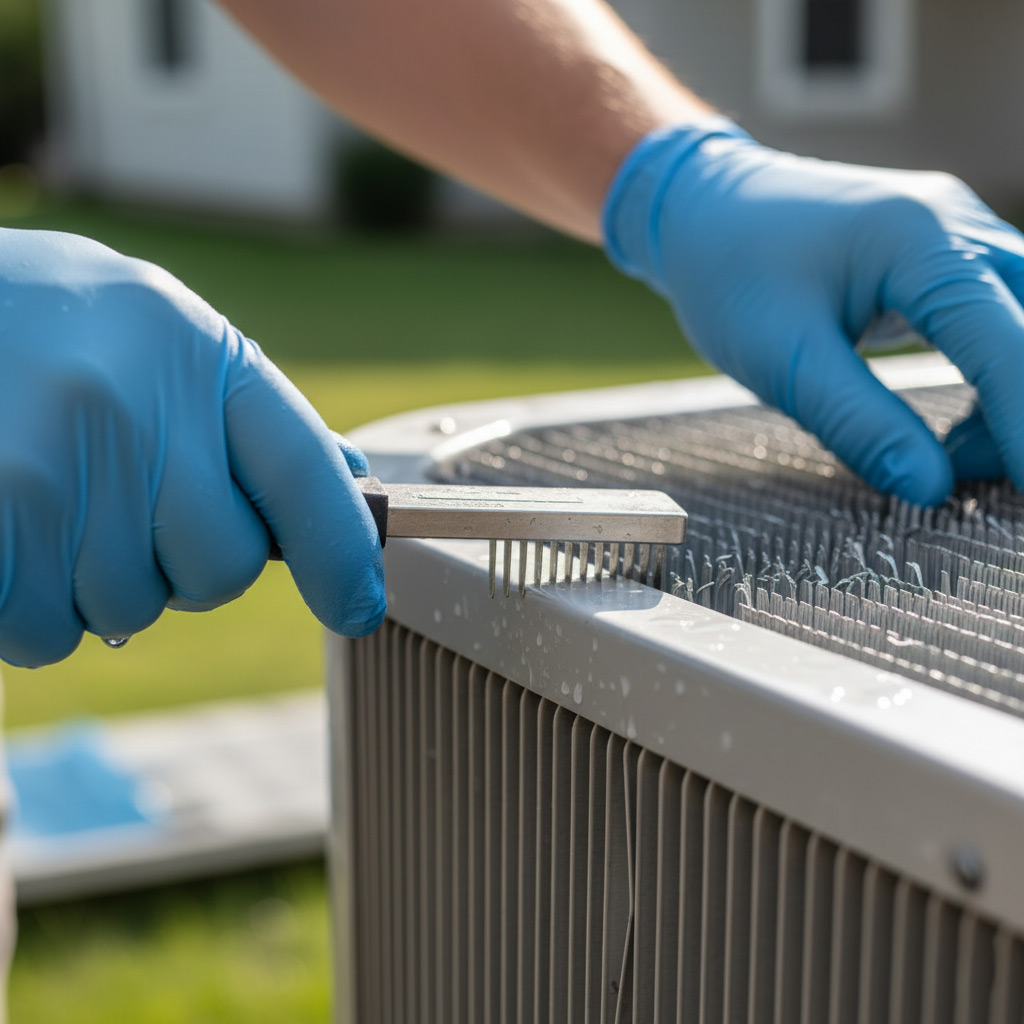
- Inspect and clean the outdoor condenser coils; dust and pollen love to settle after winter.
- Check refrigerant levels; low charge means the AC will struggle when the Texas sun cranks up.
- Test the thermostat calibration; a mis‑set sensor can waste energy and money.
- Replace or clean the air filter; fresh air equals better airflow.
Summer (June – August)
- Run a full system pressure test; high pressure signals a clogged coil or low airflow.
- Lubricate fan motors and check belt tension; squeaky fans are a sign of impending failure.
- Verify proper drainage from the condensate line; standing water invites mold.
- Program the thermostat for “away” mode when you’re not home; small tweaks save big bucks.
Fall (September – November)
- Turn off the outdoor unit and cover it; protect against falling leaves and debris.
- Schedule a furnace inspection; make sure the heat exchanger is crack‑free.
- Test the ignition system and safety controls; a faulty spark can leave you in the cold.
- Swap the filter to a higher‑MERV rating; cleaner air helps the furnace work efficiently.
Winter (December – February)
- Check the blower motor and clean the blower wheel; dust buildup reduces heat output.
- Inspect the heat pump’s reversing valve; a stuck valve can cause costly repairs.
- Run a carbon monoxide test on any gas‑fired equipment; safety first, always.
- Set the thermostat to a consistent temperature; steady heat prevents stress on the system.
Stick to this timeline and you’ll dodge the most common breakdowns. Your HVAC will run smoother, your bills will stay lower, and you’ll sleep easy knowing the system is ready for whatever Denton throws at it.
Essential DIY Maintenance Tasks (Filters, Thermostat, Vents)
Filters – the first line of defense
Dust and pollen love to clog your filter, and a clogged filter makes your system work harder. Swap it out every 30‑90 days, depending on usage and pets.
- Turn off the unit.
- Slide out the old filter.
- Check the size printed on the frame.
- Insert a new filter, making sure the arrows point toward the blower.
- Turn the system back on and enjoy cleaner air.
Thermostat – keep it smart
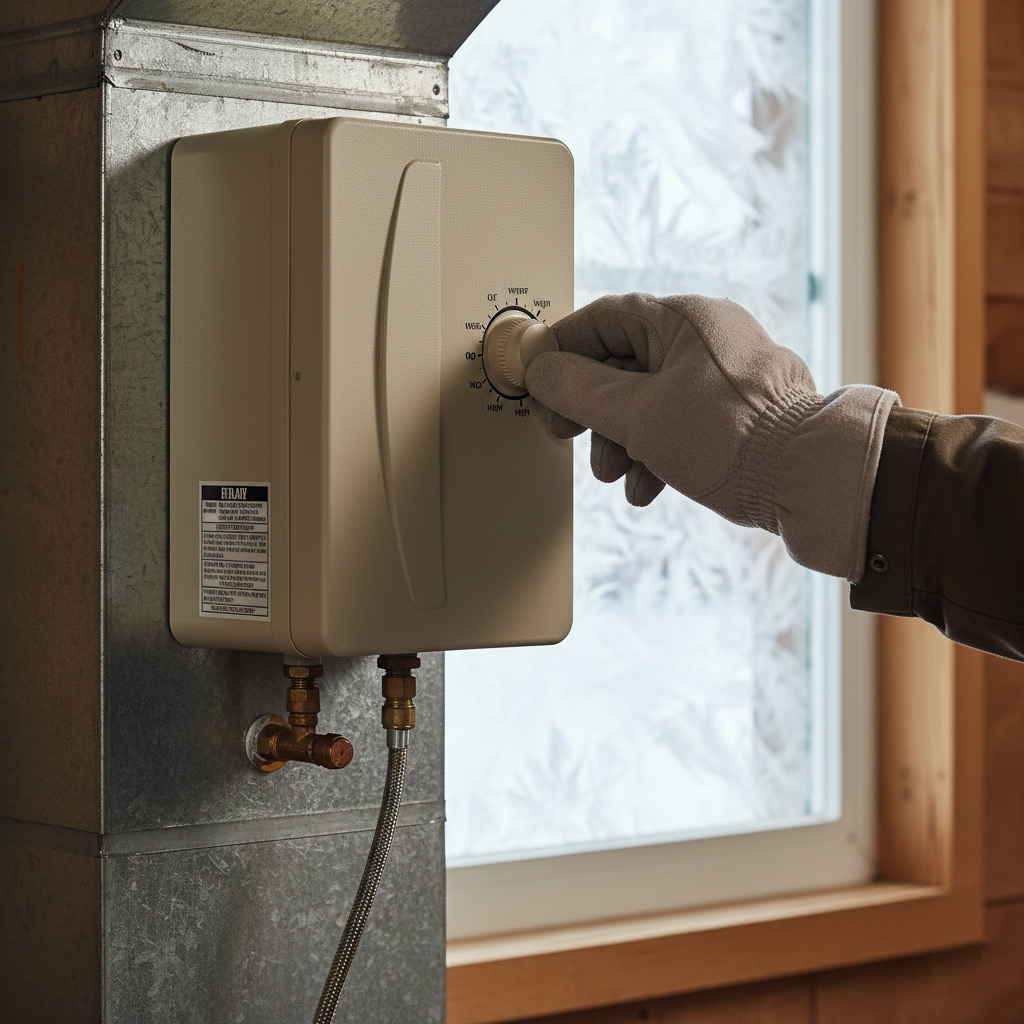
Modern thermostats are more than just knobs; they can save you cash. Give yours a quick check each season to avoid surprise spikes.
- Verify the display is bright and legible.
- Replace batteries if the screen flickers.
- Calibrate the temperature by comparing it to a reliable room thermometer.
- Program a schedule that matches your family’s routine.
- Test the “away” mode before a vacation.
Vents – let the air flow
Blocked vents are a silent money‑sucker. Open each register, clear debris, and make sure nothing is covering them.
- Walk through each room and pull the vent cover off.
- Vacuum the grille and the duct opening.
- Check for furniture or curtains that block airflow.
- Adjust the louvers to a balanced setting—no room should feel like a wind tunnel.
- Seal any gaps with foil tape to keep conditioned air where it belongs.
Professional Service Checklist: What Technicians Should Do
When a pro steps onto your property, they’re not just swapping parts—they’re hunting down the hidden culprits that could turn a mild inconvenience into a full‑blown emergency. A thorough tech knows that a clean system runs cooler, lasts longer, and keeps your energy bill from spiraling.
Core Inspection Items
Every seasoned technician runs through this short list before they call it a day:
- Inspect and tighten all electrical connections – loose wires are a fire risk.
- Check refrigerant pressure and look for leaks – low charge = weak cooling.
- Examine the evaporator and condenser coils for dirt buildup – a dirty coil chokes airflow.
- Test the blower motor and fan belts for wear – squeaks mean it’s time for a replacement.
- Verify the thermostat calibration – if it’s off, your whole system is off.
Safety & Performance Tests
Beyond the basics, a true pro runs a few extra checks to guarantee peace of mind:
- Run a system start‑up and listen for abnormal noises – rattles, bangs, or whines signal trouble.
- Measure airflow at each vent with a manometer – low CFM points to duct issues.
- Perform a combustion analysis on gas furnaces – ensures clean burn and no carbon monoxide.
- Check the condensate drain for clogs – standing water can cause mold and water damage.
- Review the service history and note any recurring problems – patterns help prevent future breakdowns.
Energy Efficiency Tips & Savings for Denton’s Climate
Seal the Deal with Air Leaks
Every draft is a dollar slipping out the window. Walk around your home with a lit incense stick; if the smoke wavers, you’ve found a leak.
Patch those gaps with caulk or weather‑stripping. It’s a cheap fix that can shave 5‑10% off your monthly bill.
Smart Thermostat, Smarter Wallet
Program your thermostat to match your lifestyle, not the weather forecast. Set it 78°F when you’re out, 72°F when you’re home.
Take advantage of eco‑mode features. They automatically adjust when you’re asleep, saving you cash without you lifting a finger.
Seasonal Settings that Pay Off
Don’t run your AC at full blast in the summer. Use the “auto” fan setting; it runs only when needed.
- Winter: lower the water heater to 120°F – you’ll still have hot showers.
- Summer: clean the condenser coils every 90 days – a clean coil runs up to 15% cooler.
- Fall & spring: run the fan for 10 minutes after the system shuts off to circulate fresh air.
These tweaks feel tiny, but over a year they add up to hundreds of dollars saved. Keep the system humming, keep the wallet happy.
Common HVAC Problems in Denton and How to Prevent Them
1. Frozen Coils When the Texas Sun Blazes
When the outdoor temperature spikes, a sluggish fan can let moisture settle on the evaporator coil, turning it into an ice block. Ice on the coil means your AC works harder, your electric bill climbs, and you end up with a lukewarm house.
- Check the fan motor monthly; listen for a weak whirr.
- Keep the condensate drain clear—run a cup of bleach water through it each spring.
- Swap the air filter every 30‑45 days; a clogged filter starves the coil of airflow.
2. Short‑Cycling in the Chill of Winter
In Denton’s frosty months, a furnace that turns on and off every few minutes is a red flag. The system never reaches its full heat output, so you’re left shivering and paying for extra cycles.
- Inspect the thermostat placement; avoid spots near drafts or direct sunlight.
- Make sure the outdoor unit isn’t buried under snow—clear it before the first freeze.
- Schedule a professional blower motor check‑up before the heating season kicks in.
3. Dirty Filters and Suffocating Airflow
A dusty filter is the silent killer of HVAC efficiency. It forces the blower to work overtime, which can wear out motors and raise energy costs.
- Mark your calendar for filter changes—set a reminder on your phone.
- Use high‑efficiency pleated filters; they trap more particles without restricting flow.
- Inspect supply vents quarterly; remove any debris or pet hair that’s built up.
Case Study: How a Denton Family Saved $1,200 with Proactive Maintenance
The Situation
When the Martinez family moved into their 2,300‑sq‑ft ranch in Denton, the HVAC system was already five years old and showing signs of wear. Their utility bills were creeping up, and the thermostat was flirting with the “off” position during summer heat waves.
They faced three red flags:
- Dirty air filters that forced the blower to work harder.
- Coils coated in grime, reducing heat exchange efficiency.
- Loose electrical connections that could spark a costly shutdown.
The Action
Instead of waiting for a breakdown, the Martinezes booked a preventive service with a local HVAC pro. The technician followed a strict checklist:
- Replaced all filters with high‑MERV units.
- Cleaned evaporator and condenser coils using a non‑corrosive spray.
- Inspected and tightened all wiring, then calibrated the thermostat.
- Checked refrigerant charge and topped it off to manufacturer specs.
Each step took less than an hour, but the impact was immediate. The system ran smoother, and the indoor temperature steadied within minutes.
The Results
After three months, the Martinez’s energy bill dropped by roughly $400 per season. Over a full year, that translated to a $1,200 saving—money that stayed in their pocket instead of disappearing into a repair invoice.
Beyond the dollars, they gained peace of mind. No more frantic calls at 3 a.m., no surprise service tickets, and a home that stayed comfortable from the scorching July sun to the icy January chill.
Final Words
Don’t let another season slip by while your system gathers dust. A little discipline now saves you from frantic calls in the middle of a Denton heatwave or a bone‑cold snap.
Take Action Today
- Mark your calendar for the spring and fall inspections – those are the sweet spots for catching wear before it hurts.
- Swap filters every 30‑60 days, depending on usage. It’s a two‑minute job that pays off in cleaner air and lower bills.
- Schedule a professional tune‑up before the next extreme temperature swing. A quick check of coils, refrigerant, and electrical connections can add years to your unit’s life.
When you’re ready to hand the reins to a local pro, click over to our HVAC Maintenance page. We’ll match you with a certified technician who knows Denton’s climate like the back of his hand.
People Also Ask
How often should I schedule HVAC maintenance in Denton, TX?
For Denton’s climate, a full professional inspection twice a year—once in spring and once in fall—is ideal. This timing prepares your system for the hot summer and chilly winter months, catching wear before it becomes costly.Can I perform HVAC maintenance myself, or do I need a professional?
Homeowners can handle basic tasks like changing filters, cleaning vents, and calibrating thermostats. However, a licensed technician should conduct deeper checks—such as refrigerant levels and electrical connections—at least annually.What are the most common HVAC problems in Denton, and how can I prevent them?
Dust‑laden filters, clogged condensate drains, and worn fan belts are frequent issues caused by the region’s pollen and humidity. Regular filter changes, drain line flushing, and scheduled belt inspections keep these problems at bay.How does proactive HVAC maintenance save money in Denton?
A well‑maintained system runs up to 30% more efficiently, lowering monthly energy bills. Preventive care also reduces the likelihood of major repairs, which can cost several hundred dollars more than routine service.What should I look for when hiring an HVAC technician in Denton?
Choose a contractor with local experience, proper licensing, and positive customer reviews. Ask if they follow a comprehensive checklist that includes coil cleaning, motor lubrication, and system performance testing.
Denton HVAC brings over 15 years of certified heating and cooling expertise to the Denton community. Their team blends local knowledge with advanced training to deliver reliable, energy‑efficient solutions for homes and businesses. Committed to responsive service, they prioritize comfort and safety for every client.
Need HVAC?
We provide fast HVAC repair, maintenance, and installation in Denton, TX (76201, 76202, 76204, 76205, 76207) and nearby communities, keeping your system running efficiently. Same‑day service restores comfort without delay.
Get HVAC Quote