
When the Texas heat climbs past 100°, Denton families know the difference between a sweaty nightmare and a cool sanctuary. What most don’t realize is that the secret isn’t in the thermostat—it’s in how the system is installed.
Homeowners here have been whispering about a handful of “installation secrets” that turn an ordinary HVAC unit into a money‑saving, comfort‑boosting powerhouse. Those tricks aren’t magic; they’re the result of local pros who understand our climate, our homes, and the little details that most contractors overlook.
In the next few minutes you’ll discover the exact moves that keep bills low, air clean, and the system humming for years. Keep reading and you’ll see why the smartest Denton residents never settle for a standard install again.
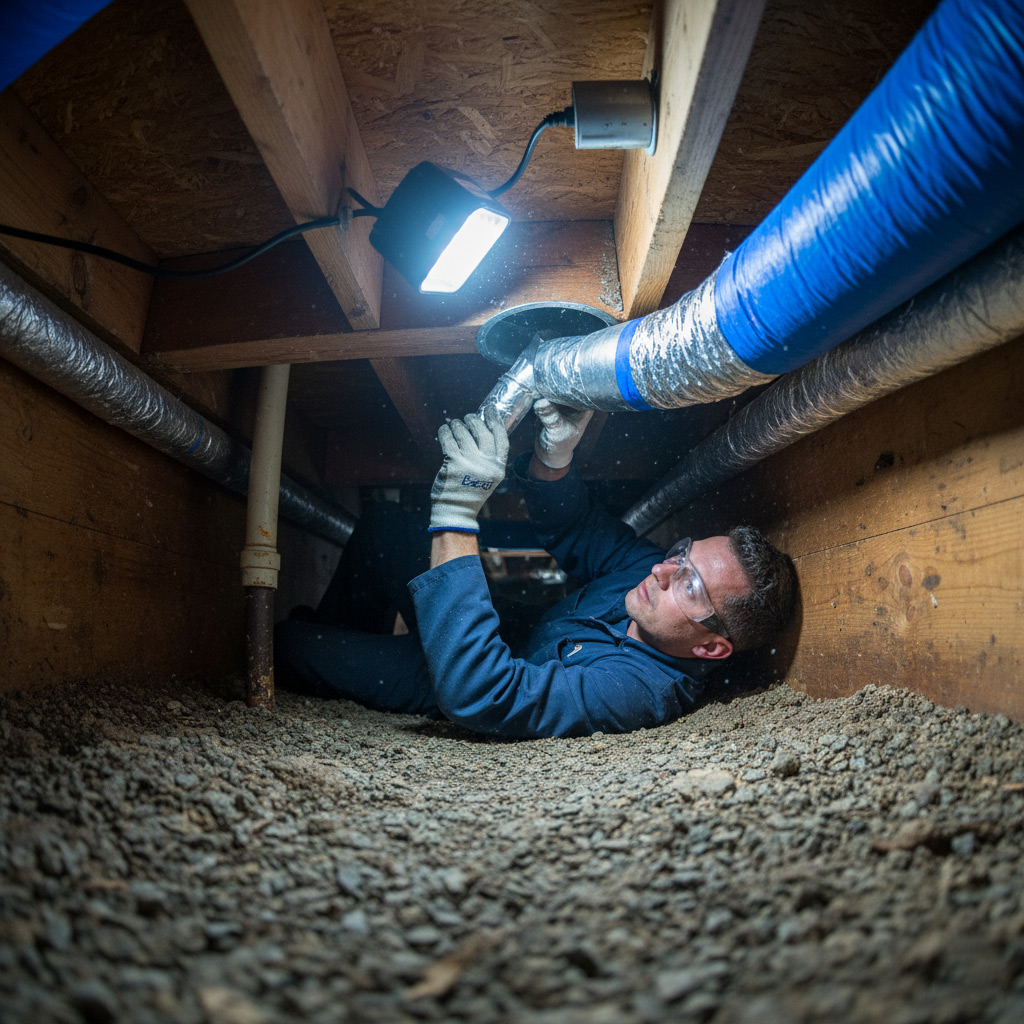
Understanding Denton's Climate and Its Impact on HVAC Performance
Living in Denton means you’ll feel the swing from scorching 100°F days to crisp 30°F nights in a single season. The heat isn’t just hot—it’s humid, and that extra moisture forces any HVAC system to work harder to keep indoor air comfortable. When the temperature spikes, the unit’s compressor runs longer, and the fan has to push more air through the ducts.
Key Climate Variables
- Summer heat index: Often exceeds 105°F with high humidity.
- Winter lows: Nighttime temps can dip below freezing, demanding reliable heating.
- Rapid temperature swings: Require a system that can transition quickly without lag.
Because of these extremes, a one‑size‑fits‑all HVAC won’t cut it. The system must be sized and installed to handle peak summer loads while still delivering steady heat when the mercury drops. Ignoring the local climate leads to short‑lived equipment, higher utility bills, and a home that never feels quite right.
Accurate Load Calculations: Getting the Right‑Size System Every Time
In Denton, a one‑size‑fits‑all HVAC unit is a recipe for disaster. A proper load calculation looks at every heat source and loss factor—sun‑baked walls, attic insulation, even the number of people who call the house home. When the math is spot‑on, the system runs smooth, the bills stay low, and you never hear that dreaded “click‑click” of short‑cycling.
How the Numbers Are Crunched
Professional installers rely on the Manual J method, which breaks the house down into bite‑size data points:
- Square footage – not just the total, but each room’s exposure to sun.
- Window type and orientation – south‑facing panes add serious heat gain.
- Insulation R‑value – a thin attic can double the cooling load.
- Air infiltration – drafts from doors, vents, and even the garage door.
- Occupancy and appliance heat – a kitchen that’s always on adds load.
Skipping any of these steps is like guessing the weight of a truck by looking at the tires. The result? An oversized unit that blasts cold air one minute, then shuts off the next, or an undersized unit that runs nonstop, sweating the homeowner out and the wallet too.
When the system is sized correctly, you get steady temperatures, quieter operation, and a lifespan that stretches well beyond the warranty. That’s the real secret Denton homeowners swear by—precision in the numbers, perfection in the comfort.

Ductwork Design, Sealing, and Insulation for Peak Efficiency
Why Duct Layout Matters
Every foot of metal or flex pipe is a chance to lose cool air or heat. Smart routing keeps the air traveling straight, not winding like a maze.
When you place supply runs close to the living space and keep returns short, the system works harder for less money.
- Short runs = less pressure loss
- Balanced supply/return = even temps
- Avoid sharp bends – they act like roadblocks
Seal the Leaks, Save the Bucks
Even a tiny crack can bleed 20% of your output. Think of it as a leaky faucet that never stops dripping.
Professional installers use mastic, foil tape, and spray foam to lock every joint tight.
- All seams taped with UL‑rated foil
- Register boots sealed around grills
- Insulation blankets wrapped on ducts in unconditioned spaces
Inspect, Test, Repeat
After the install, a blower‑door test reveals hidden leaks you can’t see with the naked eye.
Pressure‑testing the whole network gives you a scorecard – and a reason to brag to the neighbor.
- Pressurize at 0.5 in. wg, watch for drops
- Document every fix for warranty proof
- Schedule a follow‑up check after the first season
Optimal Placement and Installation of the Outdoor Condenser Unit
First thing’s first: the condenser needs breathing room. A minimum of 24 inches of clearance on all sides lets air flow freely, keeping the compressor from overheating on those scorching Denton afternoons. Plant it on a level, concrete pad—no grass, no wood, no wobble.
Next, think about shade without hiding the unit. A well‑placed tree or a pergola can cut sun exposure by up to 30 %, but the foliage must stay at least 3 feet away to avoid debris buildup. Keep the unit away from doors, windows, and high‑traffic walkways to reduce noise complaints and accidental damage.
Key Placement Rules
- Clearance: 24‑inches front, sides, and top.
- Concrete pad: at least 4‑inches thick, anchored.
- Level surface: prevents oil migration in the compressor.
- Vibration isolation: rubber pads or springs cut rattles.
- Refrigerant line length: keep it short, straight, and insulated.
- Electrical distance: at least 5 feet from any gas or water lines.
Finally, secure the unit with a sturdy strap or bracket. This stops it from tipping in a wind gust and protects the refrigerant lines from stress. A tight, clean connection means the system runs smoother, lasts longer, and saves you money.
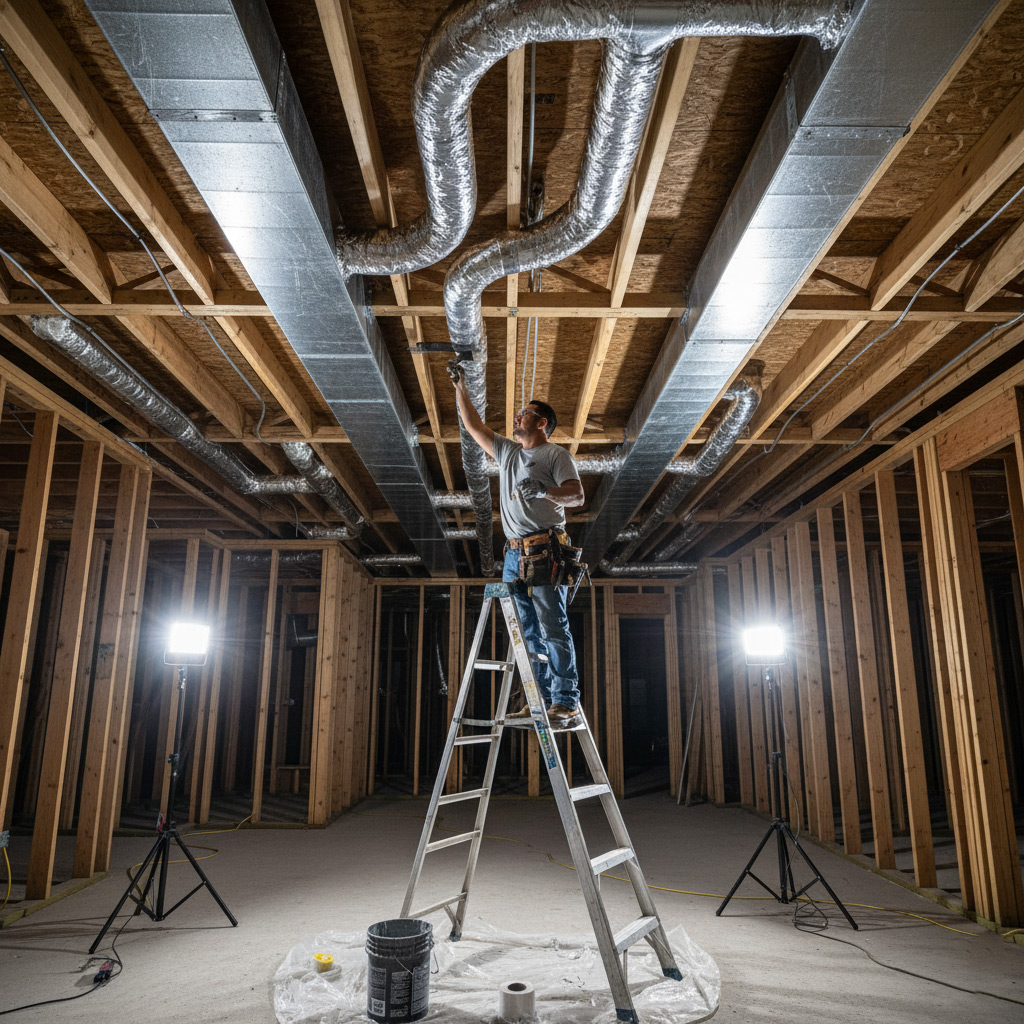
Smart Thermostat Integration and Zoning Strategies for Energy Savings
Why a Smart Thermostat Matters
Plug‑in a Wi‑Fi thermostat and you instantly get a window into how your home breathes. It learns when you’re home, when you’re out, and even when you’re sleeping, then adjusts the blower and compressor without you lifting a finger.
Because it talks to your HVAC system in real time, you can shave off dollars on every cooling cycle. A quick glance at the app tells you if the house is running hot for no reason, and you can fix it before the bill spikes.
Zoning: Split the House, Cut the Cost
Think of zoning as giving each room its own thermostat personality. One zone can stay cool while the other stays warm, and you only pay for the air you actually need.
Key steps to a solid zoning setup:
- Map out the floor plan and decide where dampers belong.
- Install motorized dampers in the main trunk line.
- Pair each zone with a dedicated thermostat or a multi‑room sensor.
- Program schedules that match real life – kids home after school, adults at work.
Putting It All Together
When the smart thermostat talks to the zoning controller, you get a system that’s both brainy and disciplined. The thermostat tells the zones when to open or close, and the zones tell the thermostat where the demand is highest.
Result? A house that stays comfortable, a utility bill that stays low, and a system that lasts longer because it never runs harder than it has to.
Case Study: How a Precision Install Cut Energy Bills in a Historic Denton Home
The Home
Built in 1912, the Craftsman‑style house sits on a modest lot near downtown Denton. Thick plaster walls and original wood windows make it charming, but they also trap heat like a sauna. The owners were paying $300+ a month for cooling during July and August.
The Installation
Our crew started with a Manual J load calculation that revealed the old 2‑ton unit was undersized by 30 %. We swapped in a 3‑ton, variable‑speed system and re‑routed the ductwork to avoid the attic’s leaky joists. Every seam was sealed with mastic, and the supply registers were insulated with foil‑backed duct wrap.
Next, we positioned the outdoor condenser on the shaded side of the property, away from the prevailing south‑west winds. The unit sits on a vibration‑isolating pad, which eliminates rattles that used to echo through the living room. Finally, a smart thermostat with zone control was programmed to match the family’s schedule.
The Payoff
Three months after the install, the utility bill dropped to $140 for the same period. That’s a 53 % reduction in cooling costs. Comfort levels rose, too—no more hot spots in the master bedroom.
- Annual savings: roughly $1,900
- Return on investment: under 2 years
- System lifespan extended by 5‑7 years thanks to proper sizing and sealing
Final Words
Even the best‑installed system will sputter if you skip the basics. Schedule a seasonal check‑up before the first heat wave hits, and keep the filters clean. A quick glance every month can catch a clogged coil before it turns your living room into a sauna.
What to Do Right After Installation
- Verify the thermostat reads the correct indoor temperature.
- Inspect all duct seams for gaps; seal with mastic if needed.
- Set the outdoor unit on a level, well‑drained pad.
These three steps take less than ten minutes but save you hundreds in energy bills. Don’t let a tiny oversight become a big expense.
Stay Covered
Most reputable installers offer a 5‑year parts warranty and optional service plans. Lock in a plan now and you’ll get priority service when the Texas sun peaks. Need help? Reach out to our team through the HVAC Installation page and we’ll set you up.
People Also Ask
What makes Denton's climate unique for HVAC installation?
Denton's climate features hot, humid summers and chilly winters, requiring a system that can handle both extreme cooling and heating efficiently. Proper sizing and placement ensure the unit can maintain comfort year‑round without excessive wear.Why are accurate load calculations critical for Denton homes?
Load calculations determine the exact heating and cooling capacity needed, preventing oversized or undersized systems that waste energy. A precise load match improves comfort, reduces utility bills, and extends equipment lifespan.How does ductwork sealing improve HVAC performance in Denton?
Sealed and insulated ductwork eliminates air leaks, delivering conditioned air directly to rooms and reducing energy loss. This boosts system efficiency by up to 20% and helps maintain consistent indoor temperatures.What is the best location for the outdoor condenser unit in Denton?
The condenser should be placed on a level, well‑ventilated site away from direct sunlight, debris, and obstructions. Proper clearance improves airflow, lowers operating temperatures, and enhances overall system reliability.Can a smart thermostat and zoning system lower energy costs in Denton?
Yes, smart thermostats learn occupancy patterns and adjust settings automatically, while zoning allows independent temperature control for each area. Together they can cut energy usage by 10‑15% without sacrificing comfort.
Denton HVAC brings over 15 years of residential and commercial climate‑control expertise to the Denton community. Their team of certified technicians delivers reliable heating, cooling, and indoor‑air‑quality solutions tailored to local needs. Committed to responsive service, they keep homes and businesses comfortable year‑round.
Need HVAC?
We provide fast HVAC repair, maintenance, and installation in Denton, TX (76201, 76202, 76204, 76205, 76207) and nearby communities, keeping your system running efficiently. Same‑day service restores comfort without delay.
Get HVAC Quote